Phyteuma zahlbruckneri
Phyteuma zahlbruckneri
Description
Phyteuma zahlbruckneri is a perennial herbaceous plant belonging to the Campanulaceae (bellflower) family. As a specialized botanical species, it is primarily of interest to collectors and specialized nurseries focused on alpine flora. While not a commercial crop in the traditional sense, it serves as a significant specimen in horticultural collections and alpine garden landscapes.
The plant originates from the mountainous regions of the Balkans, where it has evolved to thrive in specialized limestone habitats. Its native range is characterized by specific altitude levels with cool, humid climates. In cultivation, Phyteuma zahlbruckneri requires careful site selection that mimics these harsh but stable mountain conditions to ensure successful development and long-term survival.
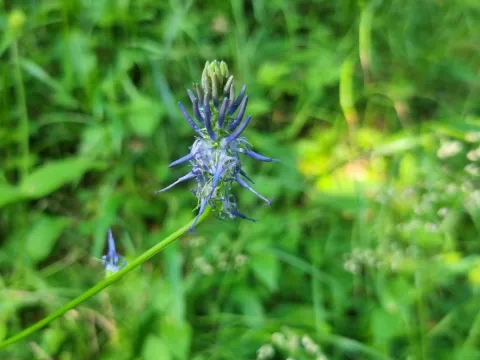
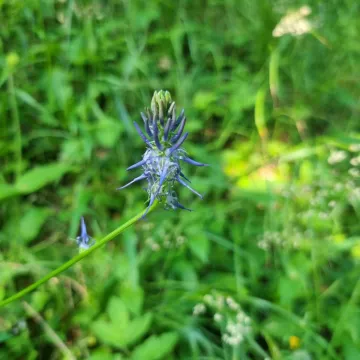
Botanically, the plant is recognized by its dense basal rosette of leaves and a robust flowering stem that produces unique, globular-shaped inflorescences. The flowers themselves are distinct, often featuring linear petals that expand into a characteristic star-like structure. The root system is relatively delicate and requires highly permeable soil conditions to prevent the accumulation of excess moisture, which is a major limiting factor for this species.
The cultivation of this species requires a strict adherence to specific agricultural standards. The soil must be well-drained, rich in calcium, and ideally possess a neutral to slightly alkaline pH. The plant prefers partially shaded areas where it can be protected from intense heat and direct sunlight during the hottest part of the day. Minimal fertilization is recommended, as high nitrogen levels can lead to weak, elongated growth rather than the desired compact form.
- Ensure excellent drainage by incorporating grit or gravel into the soil mix.
- Provide protection from excessive solar radiation and overheating.
- Monitor for moisture levels, avoiding both waterlogging and extreme drought.
- Apply integrated pest management to control common issues like aphids.
The main horticultural use of Phyteuma zahlbruckneri is in rock gardens and specialized alpine landscaping, where it serves as a rare and aesthetically pleasing accent plant. Potential disease issues primarily involve fungal pathogens caused by poor ventilation or high humidity levels around the foliage. Proper site maintenance and regular monitoring remain the most effective strategies for maintaining the health and vigor of this delicate mountain species.
Photo gallery