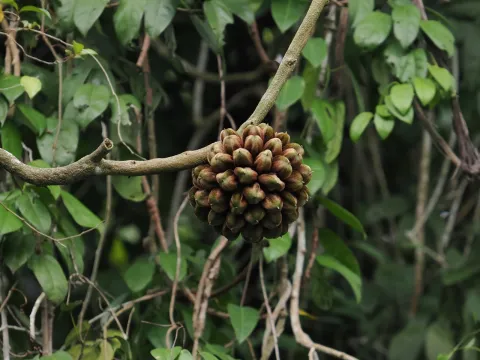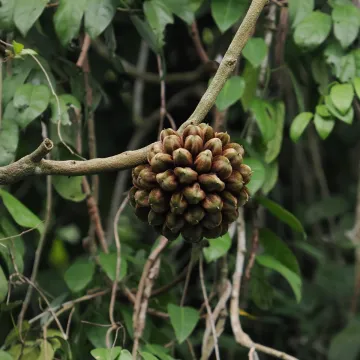
Phytocrene bracteata
Phytocrene bracteata
Description
Phytocrene bracteata is a notable woody vine belonging to the family Icacinaceae. Known for its climbing habit, this species occupies a distinct niche in the tropical canopy, demonstrating significant resilience and structural adaptability within its native environment.
The origin and primary habitat of this culture are situated within the dense, humid rainforests of Southeast Asia. It thrives in regions characterized by high rainfall and warm, consistent temperatures, spanning areas from Myanmar through Thailand to the Malay Archipelago, where it functions as a critical component of the forest's vertical structure.
Botanically, the species is defined by its robust, often woody stems capable of reaching the upper canopy. The foliage is typically persistent, with leathery leaves designed to maximize transpiration efficiency in shade-prone environments. The inflorescences are distinct, often surrounded by conspicuous bracts that give the plant its specific name.
Regarding agrotechnical requirements, successful cultivation necessitates a tropical greenhouse environment. The soil must be nutrient-rich, well-draining, and maintain consistent moisture without becoming waterlogged. Providing sturdy trellis systems or support structures is essential for the healthy development of its vine-like growth habit.
Economically, the plant is primarily valued for its traditional use in indigenous medicine. Extracts derived from its stems and roots are utilized in local practices for their therapeutic properties. While it is not a large-scale commodity crop, its biological profile makes it a subject of interest for phytochemical research and botanical conservation efforts.
- Soil preferences: Rich loam with high organic matter.
- Primary pests: Aphids and spider mites in greenhouse conditions.
- Climate needs: High humidity levels (70-90%).
- Light requirements: Partial shade to filtered sunlight.
- Growth cycle: Perennial, requires year-round warmth.
Photo gallery