Phytolacca rivinoides
Phytolacca rivinoides
Description
Phytolacca rivinoides, commonly known as a member of the Phytolaccaceae family, is a perennial herb or small shrub characterized by its robust growth habits. This plant can reach significant heights, often exceeding two meters, making it a prominent feature in both natural and cultivated settings within tropical environments.
The species originates from the tropical regions of Central and South America. Historically, it has been recognized as a pioneer species capable of colonizing disturbed areas, forest edges, and abandoned agricultural lands. Its range has expanded due to its high adaptability to varying soil types and climate conditions common in equatorial zones.
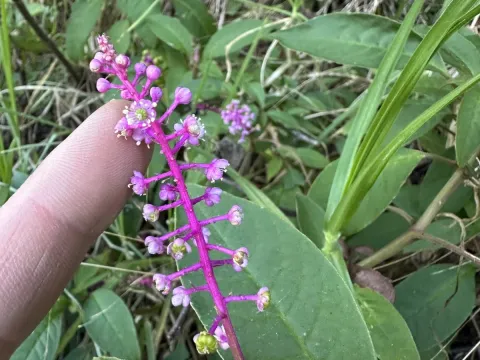
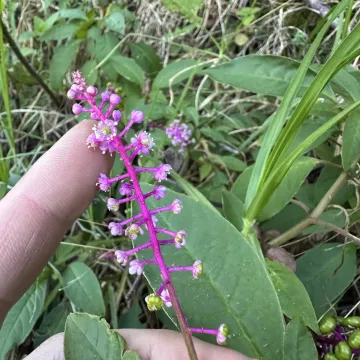
Botanically, the plant features large, simple leaves and long, pendulous racemes of small flowers. The fruits develop into dark purple or black berries containing a rich dye, which is a signature characteristic of the genus. Its thick, fleshy root system serves as an energy reservoir, allowing the plant to thrive even after environmental fluctuations.
Cultivation requirements for Phytolacca rivinoides center on well-drained, nutrient-rich soils and consistent moisture levels. While the plant is resilient, it performs best in full sun or partial shade. Agricultural management practices should focus on spacing to ensure proper airflow and the application of organic mulch to regulate soil temperature and moisture.
Economic and agricultural applications include:
- Extraction of natural pigments for dyes used in industry.
- Potential use in pharmacological research for bioactive secondary metabolites.
- Ornamental use for landscaping in tropical climates.
- Erosion control in specific agricultural and forest rehabilitation projects.
Regarding health management, the crop is susceptible to certain fungal pathogens if moisture levels remain excessively high for prolonged periods. Pests such as aphids and slugs are the most frequent threats, particularly to younger specimens. Implementing integrated pest management (IPM) strategies is essential to maintain high-quality crop yields and plant health.
Photo gallery