Japanese ox-tongue
Picris japonica
Description
Japanese ox-tongue (Latin: Picris japonica) is a perennial or biennial plant belonging to the Asteraceae family. Within the agricultural context, this species is noted for its adaptability and distinct morphological traits, which differentiate it from other members of the tribe Cichorieae found in similar climatic zones.
The plant originates from the regions of East Asia, primarily Japan, the Korean Peninsula, and Eastern Siberia. Its natural range encompasses meadows, field edges, and riparian zones, where it thrives in soil conditions that provide consistent moisture levels, allowing it to compete effectively with other herbaceous vegetation.
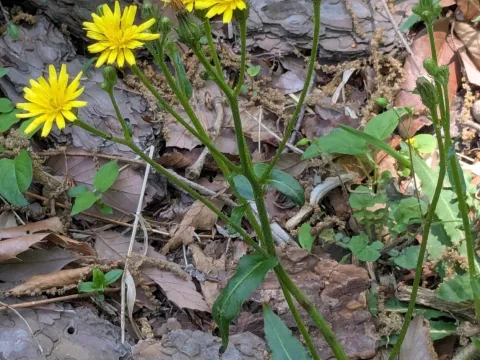
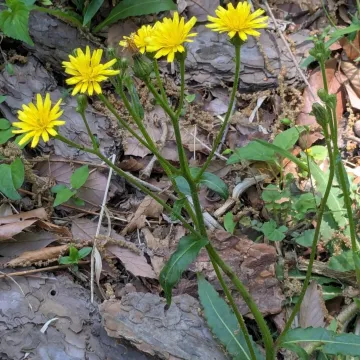
Botanically, Picris japonica is characterized by a sturdy, branched stem with visible trichomes (hairs) and a rosette of basal leaves. The inflorescences consist of bright yellow flower heads that attract a variety of pollinators. The root system is deep and robust, which aids the plant in surviving cold winters and maintaining stability in various soil types.
In terms of climate and soil requirements, the plant favors temperate conditions and well-draining, nutrient-rich soils. Successful cultivation requires careful site preparation to ensure proper aeration. During the early development stages, keeping the field free of competitive weeds is crucial for establishing a healthy, vigorous crop stand that can reach full maturity during the summer months.
Agricultural use of this crop is primarily focused on biodiversity management and its potential as an auxiliary honey plant. While it is not a major staple crop, it is recognized for its role in maintaining ecosystem balance and providing high-quality biomass that can contribute to soil fertility when managed within a crop rotation system or as a permanent meadow component.
- Thrives in nitrogen-rich soils with moderate moisture levels.
- Provides excellent support for local pollinator populations.
- Requires standard disease monitoring protocols typical for Asteraceae.
Photo gallery