Picrorhiza kurroa
Picrorhiza kurroa
Description
Picrorhiza kurroa is a significant medicinal perennial herb belonging to the Plantaginaceae family. It is globally recognized for its potent rhizomes, which are harvested for their therapeutic compounds, specifically kutkin, known for hepatoprotective and antioxidant properties.
The plant is native to the sub-alpine and alpine regions of the Himalayas. Its natural habitat includes rocky slopes and meadows at elevations ranging from 3,000 to 5,000 meters above sea level, where it thrives in cool, moist, and high-UV environments.
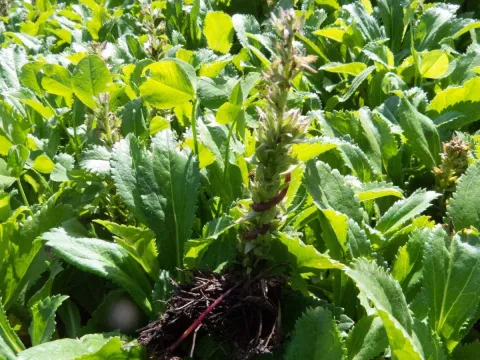
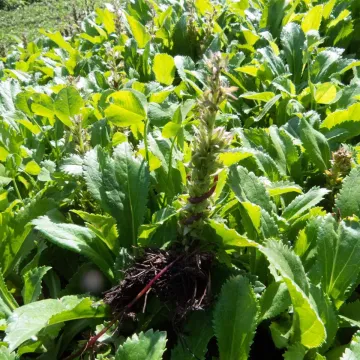
Botanically, it is a low-growing plant characterized by a thick, woody rhizome that creeps along the ground. Its leaves are spathulate, serrated, and arranged in a basal rosette. During the flowering season, the plant produces a dense spike of small, blue or purplish tubular flowers.
Cultivation of this species requires strict adherence to climate control. It demands cool nights, moist air, and well-draining, stony soil with high organic content. Achieving these parameters in a commercial setting often requires high-altitude experimental farms or specialized greenhouse facilities to mimic its endemic alpine climate.
The primary use of the crop is pharmacological. Due to over-harvesting in the wild, cultivation is increasingly important for conservation.
- Soil requirement: Well-drained, sandy loam, or stony.
- Propagation: Primarily by division of rhizomes.
- Common diseases: Root rot caused by poor soil drainage.
- Management: Minimal use of chemical pesticides; organic cultivation is preferred.
Photo gallery