Picrosia longifolia
Picrosia longifolia
Description
Picrosia longifolia is a perennial herbaceous plant belonging to the Asteraceae family. This species is gaining attention in botanical and agricultural research circles due to its unique physiological properties and the presence of bioactive compounds, making it a subject of interest for specialized cultivation and potential medicinal applications.
Native to South America, particularly Argentina and Brazil, this plant thrives in open grassland habitats. Its natural range indicates an adaptation to climates that offer ample sunshine and moderate moisture levels. While not a large-scale commodity crop, it is increasingly studied as a potential candidate for pharmacological raw material production in controlled agricultural environments.
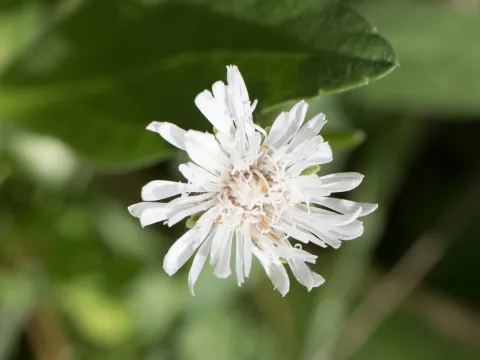
Botanically, Picrosia longifolia is defined by its deep root system and elongated, lanceolate leaves, which are central to its identification. The plant produces flower heads typical of the sunflower family. Its growth cycle is highly dependent on light intensity and soil quality, which influence the accumulation of secondary metabolites within the plant tissues during the vegetative period.
Agricultural requirements for this crop focus on well-drained, nutrient-rich soils with neutral pH levels. The plant is sensitive to waterlogged conditions, making effective soil aeration and drainage systems essential for successful growth. Weed management is crucial during the early stages of development, as the plant is susceptible to competition for sunlight and essential soil nutrients from aggressive weeds.
The primary use of the plant lies in the extraction of active components for the herbal medicine industry. Regarding pathology, it is prone to common diseases affecting the Asteraceae family, including powdery mildew and root rot caused by poor moisture management. Pests such as aphids and spider mites can also impact crop yield, necessitating regular monitoring and integrated pest management strategies.
- Requires consistent sunlight exposure for optimal leaf development.
- Can be propagated by seeds or division of existing root structures.
- Benefits from moderate organic fertilizer applications during the active growing phase.
Photo gallery