Dwarf pieris
Pieris nana
Description
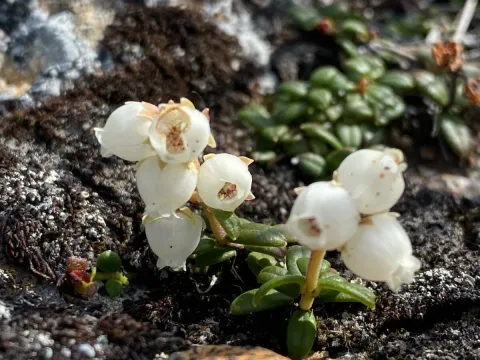
Dwarf pieris (scientifically known as Pieris nana or Arcterica nana) is a compact, slow-growing evergreen shrub belonging to the Ericaceae family. This species is highly valued in horticulture for its diminutive size, delicate foliage, and aesthetic appeal in restricted spaces or container gardening.
Originating from the northern regions of East Asia, including the Russian Far East and Japan, the plant is naturally adapted to cold climates and rocky, acidic soils. This geographical heritage makes it a hardy choice for alpine gardens, provided that the grower can replicate its preferred environmental conditions.
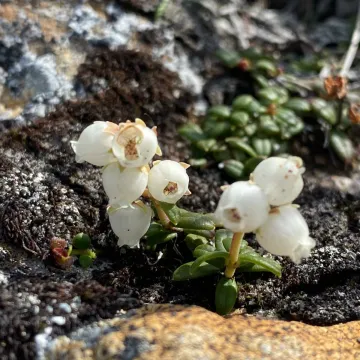
Botanically, the plant is characterized by small, leathery, alternate leaves and tiny bell-shaped flowers that appear in clusters. It lacks the aggressive growth habit of larger pieris species, making it a stable and slow-developing addition to ericaceous plant collections. The root system is delicate and fibrous, necessitating cautious cultivation practices.
Regarding agrotechnical requirements, Dwarf pieris thrives only in highly acidic, well-draining, and organic-rich substrates. It is essential to maintain consistent soil moisture, which is best achieved through a thick layer of organic mulch such as pine needles or peat. The plant prefers partial shade, as excessive direct sun can scorch the leaves and dry out the sensitive root zone.
The primary use of this culture is in specialized landscape designs like rockeries or woodland borders. Growers should remain vigilant against common ericaceous threats, such as root rot caused by poor drainage, and pests like spider mites. Preventive measures, including the application of appropriate acid-loving plant fertilizers and careful watering, are key to maintaining the plant's health.
Photo gallery