Pieris taiwanensis
Pieris taiwanensis
Description
Pieris taiwanensis, commonly known as the Taiwan pieris, is a distinctive evergreen shrub belonging to the Ericaceae family. It is widely prized in horticulture for its year-round appeal, characterized by glossy foliage and dramatic floral displays that emerge early in the growing season.
The species originates from the mountainous regions of Taiwan. This geographic background dictates its environmental requirements, as it thrives in cool, temperate climates with high atmospheric humidity, mirroring the conditions found at higher altitudes in its native habitat.
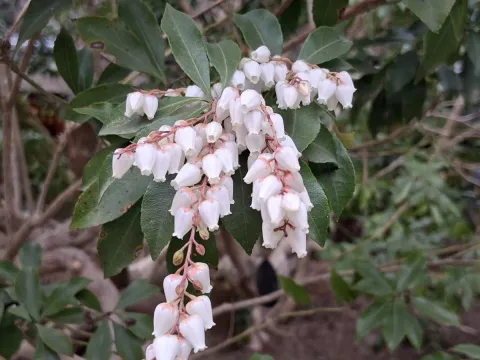
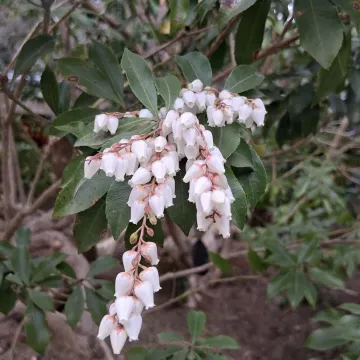
Botanically, the plant is recognized for its slow-growing habit, typically maturing into a multi-stemmed shrub between one and three meters in height. Its most notable features include drooping panicles of bell-shaped, white flowers and the distinct red or bronze coloration of its new leaf growth, which darkens to a deep, lustrous green as the leaves mature.
Successful cultivation relies heavily on specific soil and site conditions. The species requires acidic, well-draining soil rich in organic matter. Gardeners must avoid heavy, waterlogged soils, as the root system is highly susceptible to rot. Partial shade is considered optimal, as it protects the foliage from summer heat stress and prevents soil from drying out too quickly.
Maintenance and protection are crucial for sustaining long-term plant health. Key aspects include:
- Regular mulching with pine needles or pine bark to maintain soil acidity.
- Ensuring consistent moisture, particularly during dry spells, using non-alkaline water.
- Monitoring for pests such as lace bugs, aphids, and spider mites.
- Application of specialized ericaceous fertilizers in early spring.
Disease management is primarily focused on preventing fungal infections like Phytophthora, which can occur if the root zone is poorly drained. By maintaining proper air circulation and strictly avoiding over-irrigation, growers can effectively minimize the risk of pathogen outbreaks and ensure the plant remains a vigorous focal point in the garden landscape.
Photo gallery