Pilea libanensis
Pilea libanensis
Description
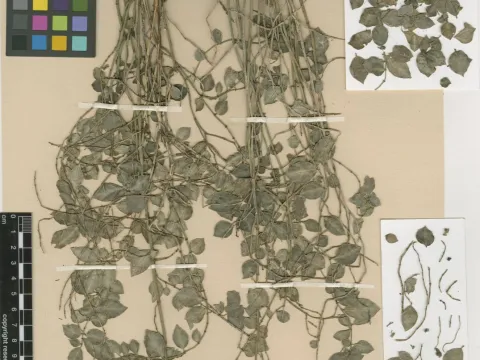
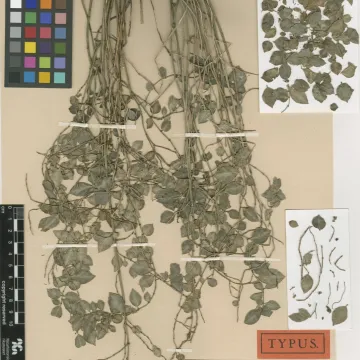
Pilea libanensis is a decorative trailing perennial plant belonging to the Urticaceae family. It is widely recognized for its delicate stems and dense, tiny, serrated leaves that form an attractive cascading habit. Although its name might suggest a Middle Eastern origin, the species is native to tropical regions of the Americas, where it thrives in moist, shaded environments.
The plant's habitat is characterized by tropical forest floors where it benefits from consistent humidity and filtered sunlight. In agricultural and horticultural contexts, Pilea libanensis is managed strictly within controlled environments such as greenhouses or as an indoor ornamental crop. It requires a stable climate to maintain its vibrant foliage and vigorous growth patterns.
Botanically, the plant features slender, succulent-like stems that are highly branched. The foliage is small and usually dark green, sometimes exhibiting bronze or reddish hues under specific lighting conditions. Its root system is relatively shallow, which makes it well-suited for shallow containers or hanging baskets where proper aeration of the root zone can be easily managed.
Successful cultivation relies on specific agro-technical practices. The plant prefers a light, well-draining potting medium rich in organic matter. Lighting should be bright but indirect, as direct sunlight can easily scorch the delicate leaf tissue. Watering must be consistent, allowing the top layer of the soil to dry out slightly between waterings to prevent root decay, which is the most common issue in intensive cultivation.
Regarding health management, Pilea libanensis is susceptible to several pests if environmental parameters are not met. Spider mites are common during periods of low humidity, while mealybugs may infest stems in poorly ventilated spaces. Fungal infections, particularly root rot, are typically the result of overwatering or poor drainage. Maintaining proper airflow and sanitation in the greenhouse is essential to ensure long-term plant viability.
Photo gallery