Creeping Pilea
Pilea nummulariifolia
Description
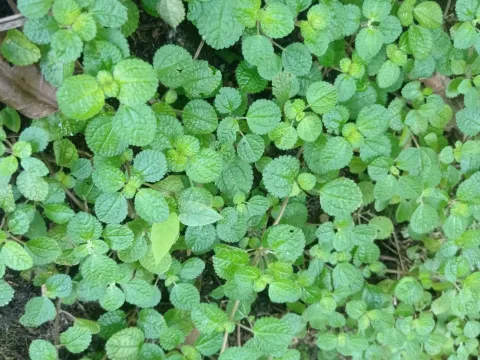
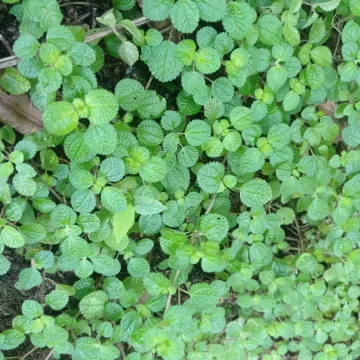
Creeping Pilea (Pilea nummulariifolia) is a perennial herbaceous plant belonging to the Urticaceae family. Recognized for its unique appearance, this species is widely cultivated for its ornamental foliage, characterized by small, coin-shaped leaves with a textured, quilted surface that cascades beautifully from hanging baskets.
The plant originates from the tropical regions of the Caribbean and South America. Due to its adaptability to indoor climates, it has become a staple in decorative horticulture and interior landscaping, thriving in environments that mimic the humid understory of its native tropical habitat.
Botanically, the plant is a creeping groundcover that features fleshy stems capable of rooting at every node. This growth habit allows it to propagate easily and cover large surface areas rapidly. The leaves are light to medium green, providing a lush appearance that is highly sought after by collectors of foliage-oriented indoor plants.
Cultivation requirements involve maintaining temperatures between 18°C and 24°C and ensuring bright, indirect sunlight. The ideal growing medium is a well-draining, peat-based potting mix that retains moisture without becoming waterlogged. Consistent moisture is crucial, but growers must avoid overwatering to prevent root asphyxiation.
Agricultural and ornamental management focuses on disease prevention and pest control. Healthy specimens are generally robust, but the following issues may arise under improper conditions:
- Spider mites, particularly in low-humidity environments.
- Root rot, resulting from stagnant water in the soil.
- Mealybugs, which tend to congregate in leaf axils.
- Fungal spots caused by poor air circulation around the foliage.
Photo gallery