Pilocarpus jaborandi
Pilocarpus jaborandi
Description
Pilocarpus jaborandi is a prominent medicinal shrub belonging to the Rutaceae family. Renowned primarily for being the main natural source of the alkaloid pilocarpine, this species holds a critical role in the global pharmaceutical industry, particularly for the production of ophthalmic medications used to manage glaucoma.
The plant originates from the tropical rainforests of South America, specifically Brazil. Given its native environment, the species thrives in humid, warm conditions with minimal seasonal temperature fluctuations. Successful cultivation outside its native range is only feasible in tropical greenhouse environments that can replicate these stable, high-humidity requirements.
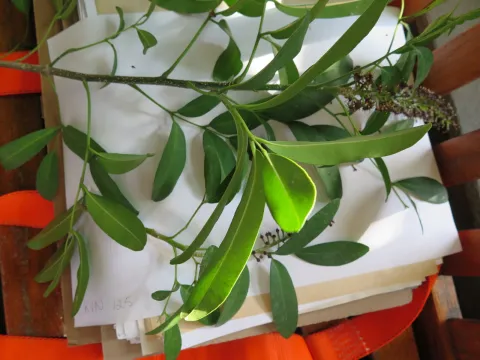
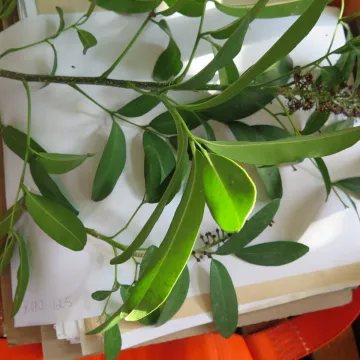
Botanically, it is a robust evergreen shrub characterized by compound, leathery leaves that store the plant's valuable secondary metabolites. The plant produces distinctive, elongated inflorescences, followed by specialized fruit capsules. Its root system is relatively shallow, necessitating careful management of soil aeration and moisture levels to prevent root rot while maintaining hydration.
Agricultural success depends on providing a well-drained, nutrient-dense, and slightly acidic substrate. Regular irrigation is mandatory, though it must be balanced to avoid waterlogging the soil. Fertilizer application should focus on nitrogen-rich compounds during the vegetative growth phase to ensure optimal biomass production, as the yield of the target alkaloids is directly proportional to the quality and volume of the harvested leaves.
The economic value of this crop is strictly tied to pharmaceutical processing. After harvest, leaves are carefully dried and processed to extract pilocarpine. Due to the high value of the end product, the industry is increasingly focused on developing standardized agronomic practices that ensure high concentrations of active ingredients while maintaining sustainable yield levels over several years of harvest.
- Optimal development occurs at temperatures between 20°C and 30°C.
- Susceptible to infestations of spider mites and scale insects.
- Requires light shading during the peak sun hours in tropical climates.
- Soil pH should be maintained between 5.5 and 6.5 for nutrient availability.
Photo gallery