
Pimpinella tripartita
Pimpinella tripartita
Description
Pimpinella tripartita is a perennial herbaceous crop belonging to the Apiaceae (parsley) family. It is recognized for its unique chemical profile, which makes it a notable candidate for specialized agricultural cultivation, particularly in regions with conditions mimicking its natural alpine or semi-alpine habitats.
The plant originates from mountain zones, where it has evolved to thrive in specific climatic conditions. Its distribution area requires regions that offer a balance between sufficient solar exposure and moderate humidity. When cultivated commercially, it demands careful site selection to ensure long-term productivity and high-quality biomass yields.
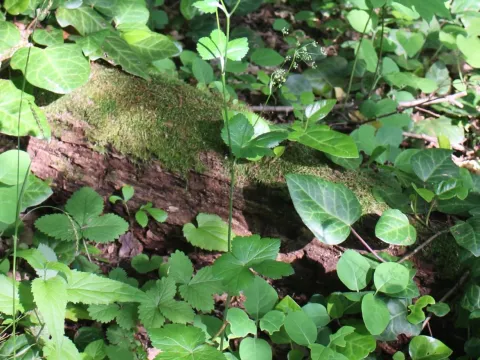
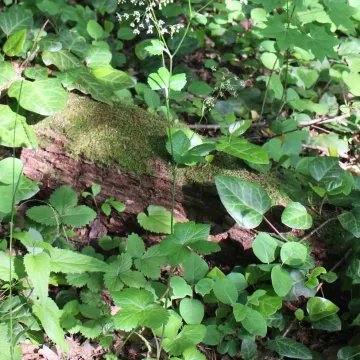
Botanically, the plant is distinguished by its characteristic tripartite leaves and a robust root system. It produces complex umbel inflorescences, a hallmark of its family. The biological cycle is highly dependent on light intensity, which influences the development of its aromatic components during the vegetative period.
Agronomic requirements include well-drained, nutrient-rich soils with a balanced pH level. Proper site preparation, including deep plowing and adequate fertilization, is crucial. Irrigation should be managed to avoid waterlogging, as the species is susceptible to root decay if drainage is poor. Weed control and soil aeration are vital practices during the growth cycle.
- Soil type: Loamy, well-drained.
- Planting depth: Shallow sowing.
- Growth stage: Long-day requirements.
- Harvesting time: Peak flowering stage for essential oils.
The primary economic use for Pimpinella tripartita is in the pharmaceutical and flavoring industries, where its extractable oils are in demand. Growers must remain vigilant against pests such as aphids and fungal diseases like powdery mildew, managing them through integrated pest management (IPM) strategies and maintaining strict field hygiene.
Photo gallery