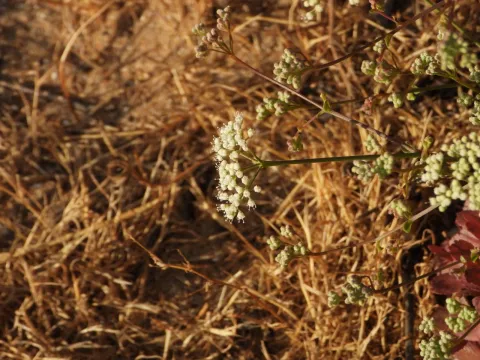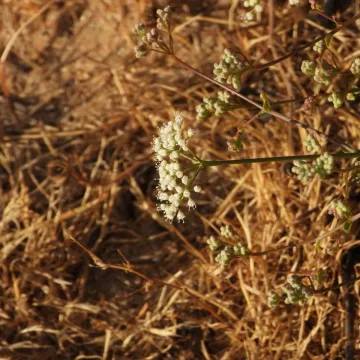
Pimpinella villosa
Pimpinella villosa
Description
Pimpinella villosa is a perennial herb belonging to the Apiaceae family. It is a scientifically significant species known for its specific physiological adaptations and unique chemical profile, which includes various terpenes and secondary metabolites common among the Pimpinella genus.
The native range of this species is primarily focused on the Iberian Peninsula. It is well-adapted to Mediterranean climatic conditions, often found in rocky terrains, pastures, and open grasslands. This adaptation makes it a resilient plant capable of enduring prolonged droughts and intense heat, which are characteristic of its native habitat.
Botanically, the plant is distinguished by its characteristic villous (hairy) stems and leaves, providing a distinct appearance compared to other related species. The inflorescence is a compound umbel, which is a hallmark of the carrot family, attracting numerous pollinators during its flowering season. The root system is robust, allowing the plant to store nutrients for survival in adverse conditions.
In terms of agricultural requirements, Pimpinella villosa prefers well-drained, alkaline to neutral soils with minimal moisture retention to prevent root rot. It thrives in open, sun-exposed fields. Proper cultivation management involves minimal fertilization, as the species is adapted to nutrient-poor soils, making it an excellent candidate for low-input farming systems.
The economic utility of the plant lies in its potential as a source of essential oils and specialized phytochemicals for the pharmaceutical and nutraceutical sectors. Given the growing interest in drought-tolerant botanical resources, Pimpinella villosa represents an underutilized asset that could be integrated into sustainable landscape management or specialty crop programs.
Common biological challenges that affect the growth and yield of this crop include:
- Root rot pathogens exacerbated by waterlogged soil conditions.
- Aphid infestations during the intensive growth phase.
- Umbellifer moth larvae targeting the flower heads and seeds.
- Powdery mildew development in areas with poor air circulation.
Photo gallery