Pinckneya bracteata
Pinckneya bracteata
Description
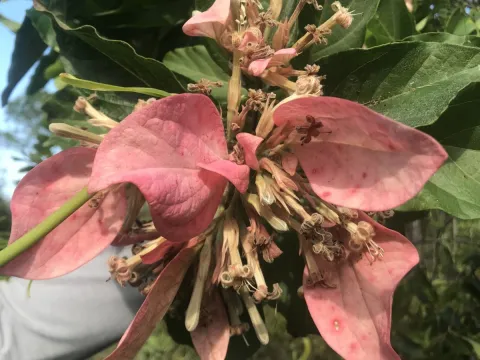
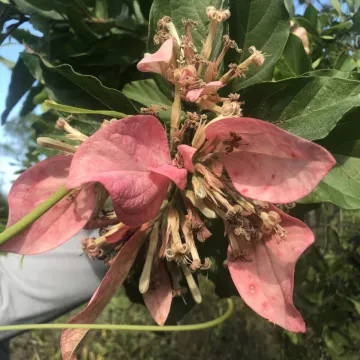
Pinckneya bracteata, commonly referred to as the Feverbark, is a deciduous shrub or small tree belonging to the Rubiaceae family. It is highly valued in horticulture for its spectacular display of enlarged, brightly colored sepals that frame the small, tubular flowers during the blooming season, creating a striking visual impact.
The native habitat of this plant is limited to the southeastern United States, particularly within wetlands, riverbanks, and swampy forest edges. Because of its specific ecological niche, the plant thrives in environments that provide consistent moisture and humid air, making it a unique specimen for gardens that can replicate these conditions.
Botanically, it features opposite, ovate leaves and terminal clusters of flowers. The most distinct characteristic is the production of petal-like sepals, which can range from pale pink to deep rose, depending on the specific cultivar and environmental factors. The bark has historical medicinal connotations, which led to the common name Feverbark.
Cultivation requires acidic, well-drained but moist soils. It is essential to choose a location that offers protection from harsh, dry winds and direct afternoon sun in hotter climates. Regular irrigation is necessary, as the plant is not drought-tolerant and can suffer significant stress if allowed to dry out completely.
In landscape design, it serves as an excellent focal point in woodland gardens or near water features. Potential issues include susceptibility to root rot in poorly drained conditions and general pests like scale insects or mites. Maintenance should focus on organic soil enrichment and proper spacing to ensure adequate air circulation around the canopy.
Photo gallery