Pinellia tripartita
Pinellia tripartita
Description
Pinellia tripartita is a perennial tuberous herb belonging to the Araceae family. This species is highly valued both as an ornamental plant and a significant medicinal crop, known for the specific bioactive compounds contained within its underground tubers, which are widely utilized in traditional pharmacological practices.
The plant originates from East Asia, specifically Japan and the Korean Peninsula, where it thrives in humid woodland habitats. Its natural adaptation to shaded, moist environments is a key factor that determines its successful cultivation in agricultural settings, requiring specific soil and light management to prevent plant stress.
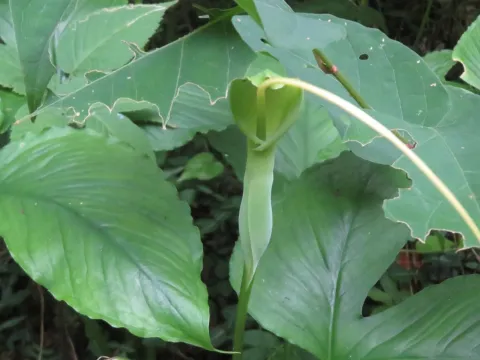
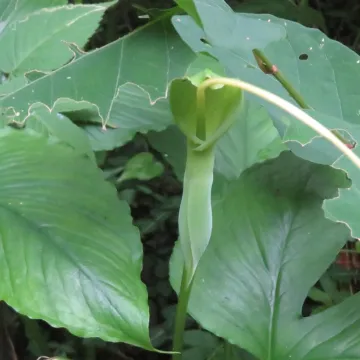
From a botanical perspective, the plant is characterized by its tripartite (three-part) leaves supported by long petioles and a unique inflorescence typical of the Araceae family, consisting of a spadix and a spathe. The plant undergoes a period of dormancy, during which the tuber stores the necessary nutrients for the subsequent growth cycle.
Successful cultivation of Pinellia tripartita requires attention to several agronomic factors:
- Soils must be well-drained, porous, and rich in organic matter to mimic forest floors.
- Consistent moisture levels are essential, although stagnant water must be strictly avoided.
- Partial shade is required, as direct intense sunlight can cause leaf scorch and dehydration.
- Regular monitoring for soil pH and nutrient availability is recommended for optimal yield.
In terms of agricultural threats, the crop is particularly susceptible to root rot, which is often a consequence of poor drainage or overwatering. Pest control is also crucial, with aphids and spider mites being the most common pests that can compromise leaf integrity and tuber development if not managed through proper integrated pest management strategies.
Photo gallery