Piper auritum
Piper auritum
Description
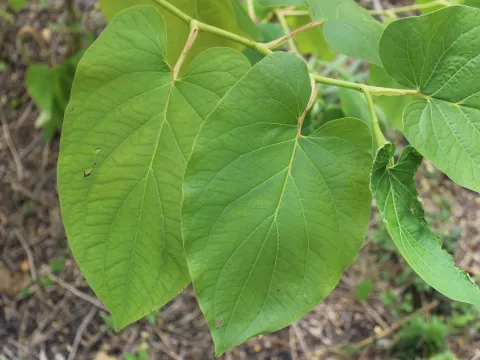
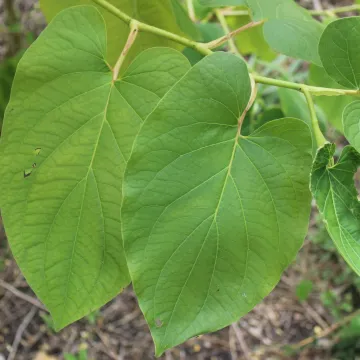
Piper auritum, widely known as the root beer plant or Mexican pepperleaf, is a perennial herb belonging to the Piperaceae family. This tropical plant is recognized for its distinctive, large, heart-shaped leaves that release a strong aroma reminiscent of sassafras, anise, or licorice when crushed, making it a unique culinary and aromatic crop.
The plant originates from the tropical regions of Mesoamerica and Mexico, where it thrives in humid, shaded forest environments. Its cultivation is primarily concentrated in tropical and subtropical zones. Because it lacks cold hardiness, commercial production in temperate regions is restricted to specialized greenhouse environments where temperatures remain consistently warm throughout the year.
Botanically, Piper auritum is characterized by its succulent, jointed stems and expansive, velvet-textured leaves that can grow up to 30 centimeters wide. The plant produces elongated, slender inflorescences—often described as catkins—which provide a distinct visual appearance characteristic of the genus Piper. It grows as a large shrub, spreading via rhizomes if left unchecked.
Agronomic requirements are centered on maintaining high soil fertility and consistent moisture. The plant performs best in nutrient-rich, organic-based soils with excellent drainage. In terms of light management, it requires partial to full shade; intense sunlight can lead to leaf scorching, while inadequate moisture causes rapid wilting and reduction in essential oil production.
Economically, the plant is primarily harvested for its edible leaves used in traditional Mexican cuisine for seasoning meats, tamales, and fish. It also holds potential in the pharmaceutical industry due to its reported medicinal properties. Farmers should monitor for typical pests such as spider mites and mealybugs, while maintaining proper air circulation to prevent fungal pathogens common in high-humidity agricultural settings.
- Requires consistent, warm temperatures above 15°C.
- Thrives in high-humidity environments.
- Prefers loamy, well-draining soil rich in organic matter.
- Propagated efficiently via stem cuttings or rhizome division.
Photo gallery