Cape pepper
Piper capense
Description
Cape pepper (Piper capense) is a perennial evergreen shrub belonging to the Piperaceae family. Unlike common bell or chili peppers, this species is a woody shrub or a small tree that thrives in tropical environments, often reaching several meters in height under optimal conditions.
The plant originates from the tropical regions of Africa, including South Africa, Ethiopia, and Madagascar. It is typically found in humid forest habitats and along riverbanks, where it forms dense, lush foliage. Because of its specific climate requirements, its cultivation is primarily concentrated in tropical and subtropical regions.
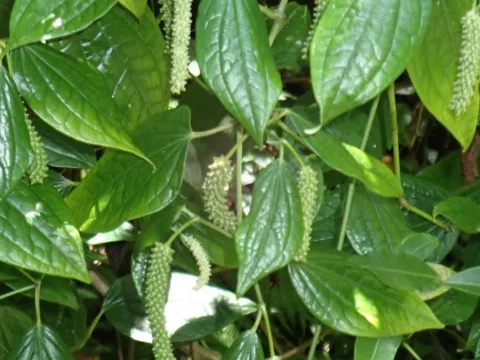
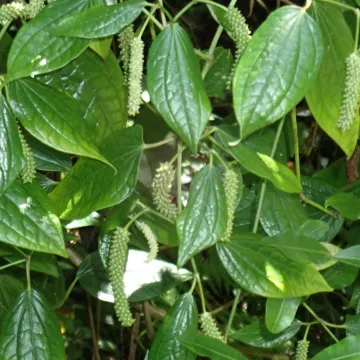
Botanically, Piper capense is characterized by leathery, elliptical leaves and small flowers arranged in dense, spike-like inflorescences. The fruits are small drupes that develop a distinct pungent flavor as they mature, largely due to their piperine content. The root system is relatively shallow, necessitating stable soil moisture levels.
Agronomic requirements for this crop include high average temperatures, ideally above +20°C, and consistent humidity. The soil must be nutrient-rich, organic-heavy, and possess excellent drainage to prevent root rot. Propagation is typically achieved through seeds or stem cuttings in specialized nursery conditions with partial shade.
In terms of economic use, Piper capense is valued both in the spice industry and for medicinal purposes. Its fruits serve as a flavorful substitute for black pepper, offering a unique profile for culinary applications. Traditionally, it has been used in African herbal medicine for its antiseptic and anti-inflammatory properties.
- High demand for ambient humidity.
- Susceptibility to direct intense sunlight in early stages.
- Risk of fungal diseases like root rot in waterlogged soils.
- Need for protection against cold drafts and frost.
Photo gallery