Piper glabratum
Piper glabratum
Description
Piper glabratum is a perennial woody plant belonging to the Piperaceae family. Often overlooked in favor of its culinary relatives, this species represents a significant botanical group adapted to tropical forest environments. It is increasingly studied for its chemical profile, which holds promise for sustainable agricultural and pharmaceutical applications.
Native to the tropical regions of Central and South America, Piper glabratum thrives in the understory of humid rainforests. The cultivation of this species is largely confined to tropical belts where climate conditions remain constant throughout the year. It does not tolerate frost or cold stress, requiring specialized greenhouse management when cultivated in temperate zones.
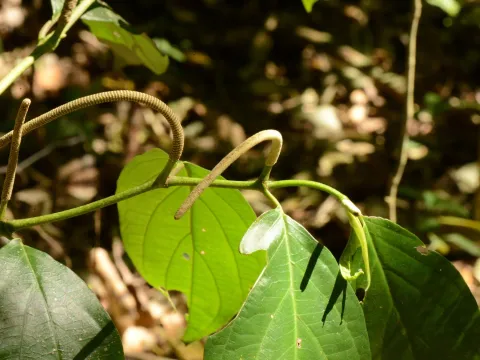
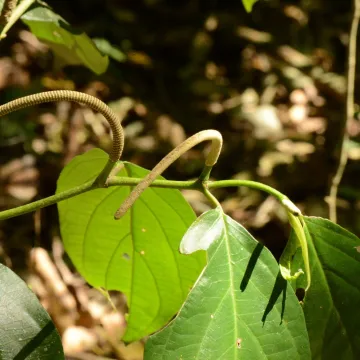
Botanically, the plant is distinguished by its glabrous, leathery leaves and characteristic inflorescence spikes. The growth habit varies from a shrub to a small tree, depending on the environmental conditions and pruning intensity. Its root system is relatively shallow but fibrous, adapted to extracting nutrients from topsoil rich in decomposing organic matter.
Key agronomic requirements for optimal yield include:
- A tropical climate with high humidity levels.
- Rich, well-draining soils with high organic matter content.
- Partial shade to prevent leaf scorching from direct sunlight.
- Consistent moisture supply without prolonged waterlogging.
The industrial and economic use of Piper glabratum centers on its secondary metabolites, which are currently being researched for their insecticidal properties. The plant is relatively robust, though it remains susceptible to fungal pathogens if air circulation is poor. Effective management of pests such as aphids and mites is essential for maintaining crop health and maximizing leaf biomass production.
Photo gallery