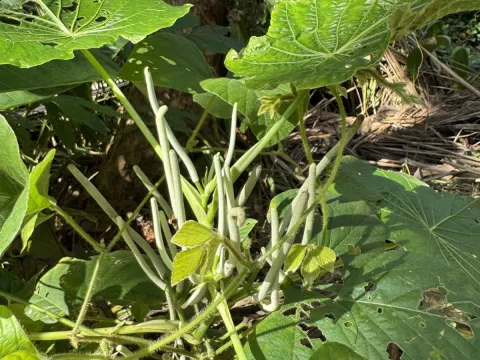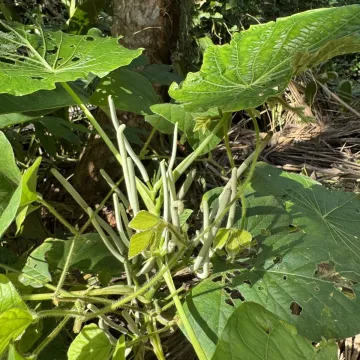
Piper peltatum
Piper peltatum
Description
Piper peltatum is a robust perennial herb or subshrub belonging to the Piperaceae family. Known for its distinct peltate (shield-shaped) leaves, this species is a prominent member of the tropical understory flora. Its rapid growth and adaptability to specific microclimates make it an interesting subject for both botanical study and specific agricultural cultivation.
The plant is native to the tropical regions of Central and South America. Its natural habitat is typically found within humid rainforests, where it thrives in shaded areas protected from intense wind and direct sunlight. The geographical distribution stretches across diverse tropical ecosystems, reflecting the plant's successful adaptation to high-humidity environments.
Botanically, Piper peltatum is characterized by its large, cordate leaves that are often used in traditional botanical descriptions to identify the species. The plant features succulent stems with distinct nodes and small, spike-like inflorescences. Reproduction occurs via seeds produced in small fruits, which are dispersed primarily by local fauna within its native range.
Successful cultivation requires a fertile, well-draining soil medium rich in organic matter. Agronomic practices focus on maintaining high ambient humidity and ensuring consistent moisture levels in the root zone. The plant prefers partial shade, as intense solar radiation can cause leaf scorching and structural dehydration. Proper temperature control, typically between 22°C and 28°C, is essential for optimal biomass production.
- Use of organic compost for nutrient supplementation.
- Monitoring soil pH levels to maintain a slightly acidic environment.
- Implementation of misting systems to ensure humidity.
- Regular inspection for pest infiltration under leaf surfaces.
In terms of хозяйственное usage, Piper peltatum is widely valued for its medicinal properties, often utilized in local traditional healing practices. Agronomic threats primarily include fungal pathogens such as root rot, often induced by improper drainage management. Common pests such as spider mites and mealybugs can affect plant vigor, necessitating integrated pest management strategies to maintain high yields and plant health.
Photo gallery