Piptadenia flava
Piptadenia flava
Description
Piptadenia flava is a notable species within the Fabaceae family, recognized for its role in tropical ecosystems and forestry. As a woody legume, it serves as a valuable resource in regions where sustainable reforestation and productive land use are priorities.
Originating from South American tropical zones, this species is well-adapted to warm climates. It is typically found in environments that provide consistent thermal conditions, allowing the tree to develop its characteristic structure and density required for industrial wood applications.
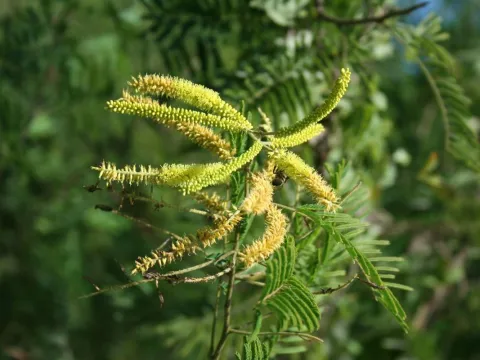
Botanically, the species is characterized by its pinnate leaves and a resilient root system designed to navigate varied soil substrates. A key biological advantage of Piptadenia flava is its ability to fix nitrogen, a process that significantly benefits the surrounding microflora and soil nutrient profile, making it a sustainable choice for land management.
Regarding agronomic requirements, the tree thrives in well-drained soils and requires sufficient sunlight exposure to reach its growth potential. Proper cultivation management involves initial nursery care, protection against competing invasive weeds, and strategic spacing to ensure healthy air circulation and canopy development as the trees mature.
The primary economic value of this plant lies in its timber, which is utilized for construction and furniture manufacturing due to its structural properties. Beyond timber production, it is increasingly employed in agroforestry setups, where it acts as a windbreak and a soil enricher, helping to restore fertility to degraded agricultural plots.
- Excellent nitrogen-fixing capabilities
- Adaptability to specific tropical soil types
- Valuable timber for furniture production
- Natural resilience against common forest pests
Photo gallery