
Piptatherum paradoxum
Piptatherum paradoxum
Description
Piptatherum paradoxum is a perennial grass species belonging to the Poaceae family. This crop is recognized for its adaptive capabilities in various environmental settings and serves as a significant component in ecological restoration and potential forage production systems within temperate regions.
Originating primarily from Europe and the Caucasus, the species is naturally distributed across forested areas and rocky slopes. It thrives in moderate climatic conditions, showing a preference for environments that provide consistent moisture and protection from extreme temperature fluctuations.
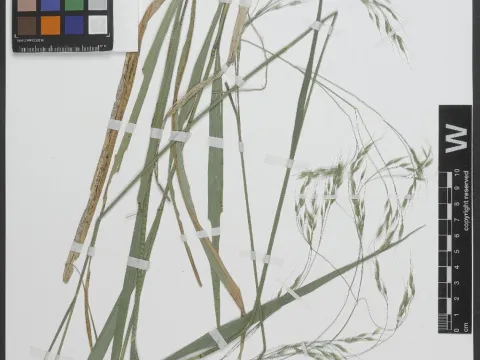
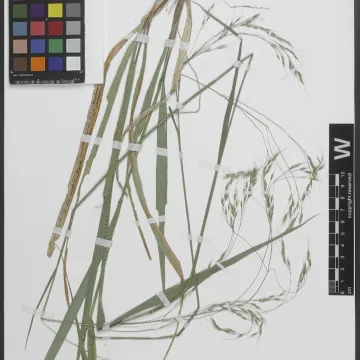
Botanically, the plant is characterized by a loose tufted growth habit with slender, rough-textured leaves. Its inflorescence is a loose panicle, which facilitates efficient seed dispersal. The root system is relatively deep and robust, enabling the plant to establish itself securely in diverse soil types.
Regarding cultivation requirements, this grass favors well-drained, nutrient-rich soils with moderate acidity. Agronomic management involves ensuring proper soil preparation before seeding and diligent weed control during the seedling stage to minimize competition and ensure vigorous establishment of the stand.
The economic value of this crop lies in its utility as a forage grass and its role in soil stabilization. It is highly valued for erosion control on slopes due to its dense root system. In agricultural systems, it serves as a nutritious addition to multispecies pastures, contributing to overall biomass production.
The crop is susceptible to common fungal pathogens such as rust and powdery mildew, particularly in conditions of high humidity and poor air circulation. Management practices should also address potential pest pressure from aphids and grass flies, which may affect foliage development if not monitored periodically.
Photo gallery