Fringed Piptochaetium
Piptochaetium fimbriatum
Description
Fringed Piptochaetium (Piptochaetium fimbriatum) is a perennial grass species belonging to the Poaceae family. It is recognized primarily as a vital component of rangelands, particularly in regions where environmental conditions are harsh and unpredictable.
The native distribution of this species spans across the southwestern United States and Mexico. It is well-adapted to the semi-arid climates of these areas, thriving in dry meadows, open slopes, and rocky terrain where many other forage grasses might struggle to establish.
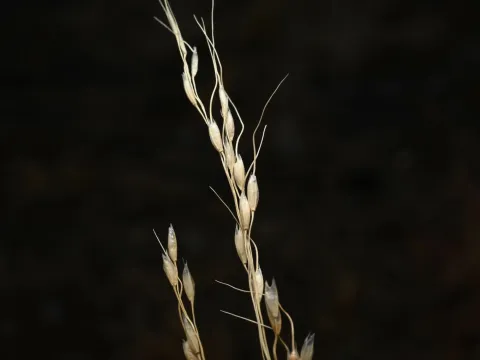
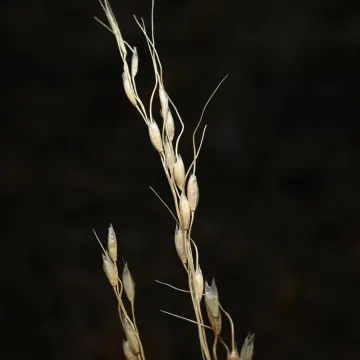
Botanically, it forms dense, tufted clumps with fine, narrow leaf blades. The inflorescence is a panicle characterized by spikelets that exhibit a fringed or bristly appearance at the edges of the glumes. This morphological trait provides both visual distinction and a mechanism for seed dispersal.
In terms of agricultural requirements, this plant prefers well-draining, gritty, or sandy soils. It is notably drought-tolerant, meaning it requires minimal irrigation once the root system is established. It shows good resistance to typical pests found in arid grasslands but can be affected by root pathogens if the soil remains waterlogged for extended periods.
The primary agricultural value lies in its role as a forage crop for livestock grazing. It provides valuable nutrients during the growing season and remains palatable to cattle and sheep. Its ability to stabilize soil makes it useful for land restoration projects in degraded range areas.
- Excellent drought tolerance
- Nutritious forage source
- Erosion control properties
- Low maintenance requirements
Photo gallery