Piriqueta cistoides
Piriqueta cistoides
Description
Piriqueta cistoides is a perennial herbaceous plant belonging to the Turneraceae family. It is a distinctive tropical species that shares several physical characteristics with other members of its family, often recognized for its resilient nature in natural habitats.
The origin of Piriqueta cistoides is traced back to the tropical regions of the Americas, specifically spanning from the Caribbean to various parts of South America. Its natural habitat is typically characterized by sandy, sun-drenched landscapes where the plant thrives alongside other heliophilous vegetation.
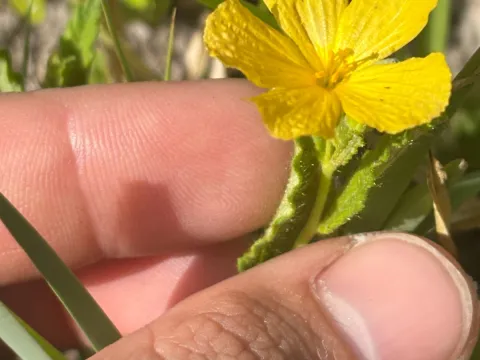
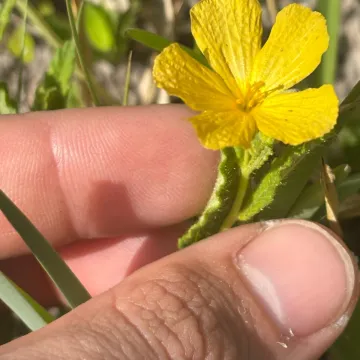
Botanically, the plant is noted for its erect stems and striking yellow flowers. The foliage consists of lanceolate, serrated leaves covered in fine trichomes, which function as an essential survival adaptation for retaining moisture during periods of intense heat and seasonal drought.
Agronomic requirements emphasize the need for well-drained, sandy soil substrates. Piriqueta cistoides requires high levels of solar radiation and is sensitive to frost, making it suitable primarily for tropical and subtropical climates where it can flourish under full sun conditions.
Economic and practical applications include its use in traditional pharmacology and botanical studies. Common pests encountered during cultivation include aphids and spider mites. Successful management of the plant requires attention to the following aspects:
- Maintenance of proper soil drainage to avoid root rot.
- Consistent exposure to bright light for flower development.
- Integrated pest management during the peak growing season.
Photo gallery