Jamaica dogwood
Piscidia piscipula
Description
Jamaica dogwood (Piscidia piscipula) is a deciduous tree belonging to the Fabaceae (legume) family. Often reaching significant heights in its native habitat, it is characterized by a broad, spreading canopy and intricate growth patterns. It stands out in tropical ecosystems as both an ecologically important species and a source of various natural chemical compounds found in its bark and roots.
The native distribution of this species spans across the Caribbean, Central America, and southern Florida. It thrives in dry tropical forests, rocky limestone outcrops, and coastal hammocks. As a warm-climate species, it requires frost-free conditions for optimal development and is highly adapted to environments with distinct wet and dry seasonal patterns.
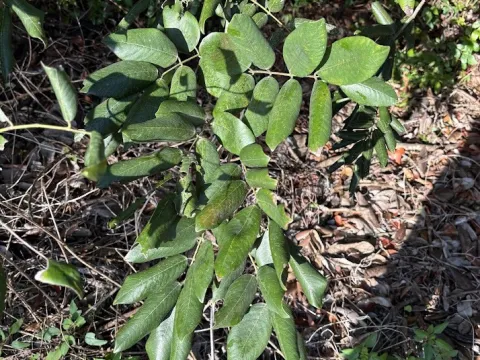
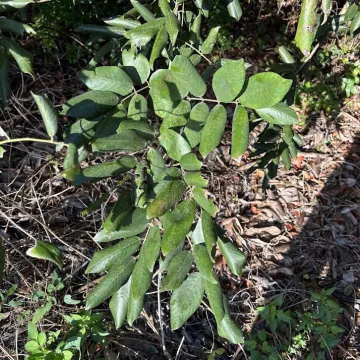
Botanically, the plant features pinnately compound leaves and clusters of pinkish-white flowers that emerge before the foliage. Its fruit is a four-winged pod, a unique structural adaptation that assists in seed dispersal via wind. The root system is deep and expansive, providing stability and allowing the tree to access nutrients in shallow or rocky substrates where other plants might struggle to establish.
Agricultural management of the Jamaica dogwood focuses on providing well-drained soil and full sun exposure. It is highly drought-tolerant once established and does not require intensive irrigation, making it suitable for low-input landscaping or reforestation projects in tropical areas. Proper spacing is necessary to allow for the canopy to develop fully without excessive competition for light.
In terms of economic and practical use, the wood is highly prized for its exceptional density, durability, and resistance to decay, making it excellent for fence posts, heavy construction, and fine carpentry. Historically, the bark has been used for its piscicidal properties, and contemporary research continues to explore its chemical components, such as rotenone, for potential medical and agricultural pest control applications.
- Excellent durability and decay resistance of the timber.
- High tolerance for salt spray and coastal winds.
- Contains rotenone, utilized for natural pest management.
- Provides shade and erosion control in tropical environments.
Photo gallery