Mexican pistachio
Pistacia mexicana
Description
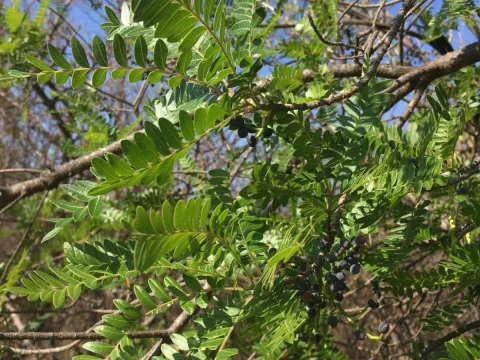
The Mexican pistachio (Pistacia mexicana) is a hardy tree species belonging to the Anacardiaceae family. It is distinct for its ability to thrive in harsh, arid environments where moisture is limited and temperatures frequently reach extreme levels, making it a valuable species for ecological restoration and dryland farming.
Native to the arid regions of Mexico and parts of Texas, USA, this plant is well-adapted to rocky and calcareous soils. It is typically found in mountainous terrains or canyons where it acts as a stabilizing element of the local vegetation. Its natural range demonstrates a high tolerance to drought and poor nutritional soil conditions.
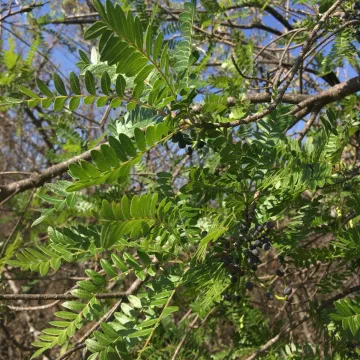
Botanically, Pistacia mexicana is characterized by pinnate leaves and a bushy or small tree growth habit. As a dioecious species, it requires both male and female plants to be present for fruit production. The fruits are small, drupe-like nuts that provide an important food source for local wildlife and have been traditionally used in various local applications.
Cultivation requires specific environmental conditions, primarily focusing on soil drainage. Unlike many agricultural crops, the Mexican pistachio does not tolerate "wet feet" and requires a well-aerated soil structure to prevent root-zone pathogens. It thrives in full sun and requires minimal intervention once the root system is well-established.
From an agricultural management perspective, the following factors are critical:
- High demand for direct sunlight throughout the day.
- Low fertilization requirements due to native adaptation to nutrient-poor soils.
- Pruning for structural health rather than high-yield fruit production.
- Monitoring for common Anacardiaceae pests such as aphids or scale insects.
Photo gallery