Saporta pistachio
Pistacia saportae
Description
Saporta pistachio (Pistacia saportae) is a naturally occurring hybrid shrub belonging to the Anacardiaceae family. This species is a result of hybridization between Pistacia lentiscus and Pistacia terebinthus. It displays intermediate traits of both parent species, often combining the evergreen or semi-evergreen habit with a robust growth structure that thrives in challenging Mediterranean environments.
The plant is native to the Mediterranean basin, frequently found in scrublands, rocky hillsides, and coastal areas where the ranges of its parent species overlap. It is remarkably resilient to heat and periodic drought, making it a valuable species for xeriscaping and sustainable planting projects in arid and semi-arid regions.
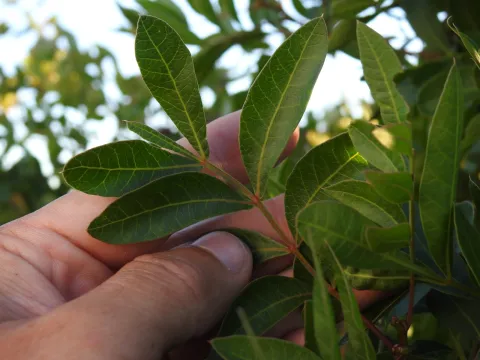
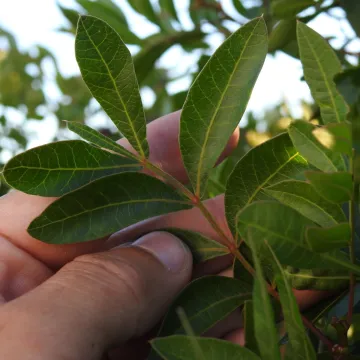
Botanically, it forms a dense, bushy structure with pinnate leaves that are leathery to the touch. The inflorescences consist of small flowers that lead to the production of small drupes. These fruits transition through a range of colors, from reddish hues to deep dark tones upon maturity. While not typically harvested for mass commercial nut production, the plant is highly valued for its ornamental appeal in gardens.
Cultivation requirements favor well-drained, lime-rich soils. Like other species in the Pistacia genus, water management is essential; while drought-tolerant once established, the plants require careful attention to soil moisture levels during their early stages of growth. Propagation is often done through cuttings or grafting to ensure the consistency of desirable traits.
In terms of agricultural and ecological use, Saporta pistachio is primarily employed for erosion control and as a hardy ornamental plant. Maintenance involves light structural pruning. The plant can be susceptible to common pistachio pests, including aphids and gall mites, as well as fungal issues if planted in areas with poor airflow. Monitoring for these pests and maintaining a healthy environment is crucial for longevity.
- Excellent drought tolerance
- Suitable for xeriscaping
- Low maintenance requirements
- High resistance to poor, rocky soils
Photo gallery