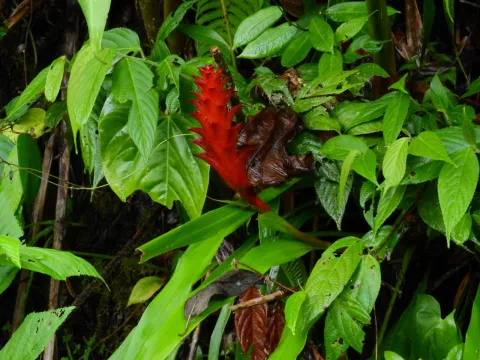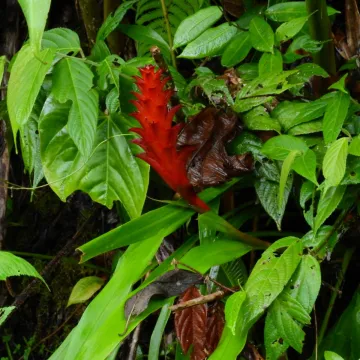
Pitcairnia hitchcockiana
Pitcairnia hitchcockiana
Description
Pitcairnia hitchcockiana is a perennial herbaceous plant belonging to the Bromeliaceae family. As a specialized member of the genus Pitcairnia, this species is noted for its elegant foliage and unique inflorescence structures, making it a subject of interest for both professional botanists and enthusiasts of tropical flora.
The species originates from the tropical regions of South America, specifically inhabiting the montane cloud forests of Ecuador. In its native habitat, it grows in humid conditions, often colonizing rocky outcrops or serving as an epiphyte within the canopy layer, where it relies on high atmospheric moisture and specialized root systems to thrive in a competitive ecosystem.
Botanically, the plant features long, linear leaves that grow from a central basal rosette. The inflorescence typically emerges as a spike or panicle, displaying colors characteristic of the species. Its biological adaptation to low-light environments allows it to maintain health in shaded areas, though it produces more robust foliage and better floral displays with bright, indirect light.
Cultivation requires adherence to strict horticultural standards, emphasizing well-draining, acidic growing media. A mix consisting of pine bark, perlite, and high-quality peat is generally recommended to provide the necessary aeration for the roots. Maintaining temperatures between 20°C and 25°C and ensuring consistent humidity is essential for the plant's long-term health.
- Regular watering using distilled or rainwater to prevent mineral buildup.
- Avoiding water stagnation in the leaf axils during cooler periods to prevent decay.
- Applying diluted liquid fertilizers designed for bromeliads during the active growing season.
- Monitoring for pests like spider mites, which thrive in low-humidity indoor environments.
The primary use of Pitcairnia hitchcockiana is within private collections and specialized botanical gardens due to its aesthetic and scientific value. While not a large-scale agricultural crop, its propagation and maintenance require professional horticultural skills. Common pests include mealybugs and scale insects, which necessitate careful, non-toxic chemical intervention or manual removal to maintain the plant's integrity.
Photo gallery