Pittosporum dallii
Pittosporum dallii
Description
Pittosporum dallii is a distinguished species of evergreen shrub or small tree belonging to the Pittosporaceae family. Known for its distinct foliage and elegant growth habit, it represents a rare botanical treasure often sought after by connoisseurs of woody ornamental plants in temperate and maritime climates.
Originating from the northwest of the South Island of New Zealand, this species has evolved in mountainous terrain, which contributes to its resilience. Unlike its tropical cousins, it exhibits a more compact form, making it a valuable addition to specialized botanical collections and sophisticated landscaping projects globally.
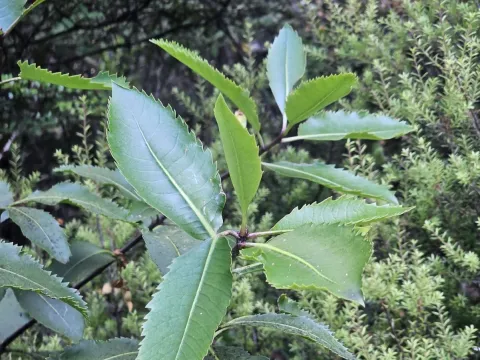
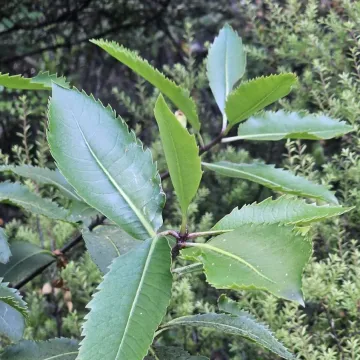
The botanical profile of Pittosporum dallii is defined by its thick, leathery, serrated leaves and a woody structure that responds well to moderate pruning. During the flowering season, the plant produces clusters of fragrant, creamy-white blossoms, which are not only aesthetically pleasing but also contribute to the local ecosystem by attracting beneficial insects.
Regarding agrotechnical requirements, the species thrives in well-drained, nutrient-rich soil with a neutral to slightly acidic pH. It prefers semi-shaded to sunny positions sheltered from harsh, dry winds.
- Maintain consistent soil moisture without waterlogging the roots.
- Apply a layer of organic mulch to protect the shallow root system.
- Ensure winter protection in colder regions to prevent dieback.
Economically, the primary utility of this plant is found in ornamental horticulture, where it is utilized for hedging, as a focal specimen, or in container gardening. Common plant health issues include aphids and scale insects, which are typically managed through regular monitoring and appropriate horticultural oils. Proper site selection and good airflow are critical to preventing fungal complications.
Photo gallery