Plagianthus divaricatus
Plagianthus divaricatus
Description
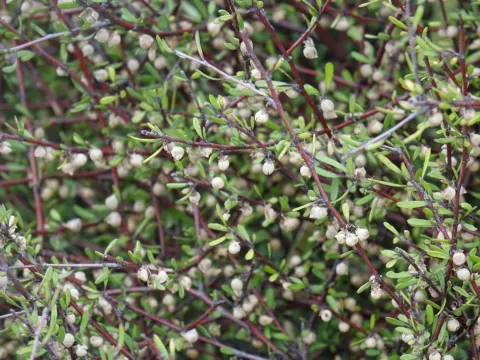
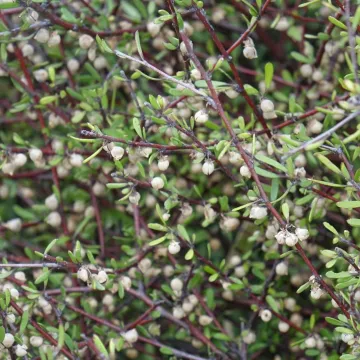
Plagianthus divaricatus, commonly known as salt marsh ribbonwood, is a distinct deciduous or semi-deciduous shrub belonging to the Malvaceae family. It is characterized by its intricate, tangled architecture, featuring thin and flexible stems that create a dense, wiry mass. This structural resilience allows the plant to thrive in environments where most other woody species fail to establish.
The species is endemic to New Zealand and is naturally found in coastal salt marshes, tidal estuaries, and saline soils. Its native habitat is defined by fluctuating water levels and high salinity, which have shaped the species' evolutionary adaptations. In cultivation, it serves as an excellent model for exploring plants adapted to extreme ecological niches.
Botanically, the plant grows to a height of approximately 2–3 meters, with small, narrow leaves often arranged in clusters along the divaricate branches. The flowering stage occurs in spring or early summer, producing small, pale yellow or greenish flowers. The shrub is dioecious, meaning separate male and female plants are typically required for effective seed production.
Cultural requirements for Plagianthus divaricatus include full sun exposure and well-drained soil conditions. While highly tolerant to salt spray and saline groundwater, it requires protection from excessive stagnant water around the root zone. Maintenance is generally low, requiring only occasional pruning to manage its habit or to remove dead branches, ensuring the plant remains healthy and aesthetic in a managed garden setting.
In terms of practical use, the plant is highly valued for coastal landscaping and habitat restoration projects. It functions as an effective windbreak and ground stabilizer in maritime climates. Furthermore, it supports local biodiversity by providing cover for wildlife, making it a sustainable choice for ecological restoration and native plant garden designs in regions with suitable maritime conditions.
- High salt tolerance
- Wind-resistant structure
- Excellent for habitat restoration
- Low maintenance requirements
- Attractive architectural form
Photo gallery