Plagiogyria japonica
Plagiogyria japonica
Description
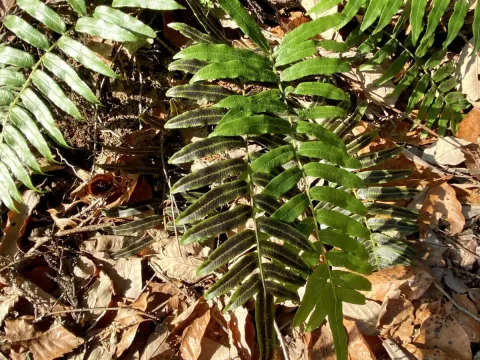
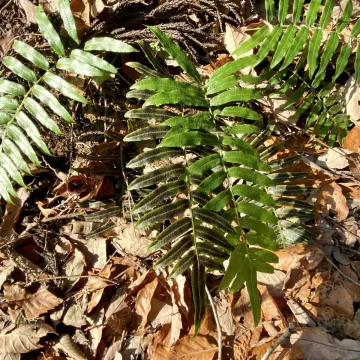
Plagiogyria japonica is a perennial fern species belonging to the Plagiogyriaceae family. It is distinct for its rhizomatous growth habit and the clear differentiation between sterile vegetative fronds and fertile spore-bearing fronds, which develop on elongated stalks to optimize spore dispersal.
The plant is native to East Asia, primarily distributed across Japan, the Korean Peninsula, and parts of China. In its natural habitat, it thrives in shaded mountain woodlands, stream banks, and humid valleys. These environments provide the necessary cool temperatures and high humidity that the species requires for healthy growth and development.
Botanically, it features a slow-growing rhizome that produces a cluster of elegant, pinnate fronds. A notable characteristic is the reddish or bronze coloration of the young, emerging foliage, which adds significant ornamental value. The plant typically reaches a moderate height, making it an excellent candidate for shaded garden borders.
For successful cultivation, Plagiogyria japonica requires a shaded location protected from direct sunlight, which can quickly scorch its delicate fronds. The soil should be consistently moist, acidic, and rich in organic matter. A well-draining substrate is essential to prevent rhizome rot, while consistent atmospheric humidity is critical for maintaining vibrant foliage.
In landscape design, this fern is utilized for its graceful aesthetic in woodland-style gardens and fern collections. Regarding pests and diseases, the primary concerns include slug and snail infestations during the spring growth phase, as well as fungal infections occurring in stagnant air conditions. Proper spacing and airflow are recommended to mitigate these issues.
Photo gallery