Plagiomnium affine
Plagiomnium affine
Description
Plagiomnium affine is a perennial species of moss belonging to the Mniaceae family. While not a traditional food crop, it is increasingly cultivated in the horticultural industry for specialized ground cover, interior landscaping, and as a key component in closed terrarium systems and paludariums.
The plant originates from the temperate forests of the Northern Hemisphere, spanning across Europe, Asia, and North America. It is typically found in habitats characterized by high atmospheric humidity and shaded conditions, such as the banks of streams, moist forest floors, and rotting logs, which define its ecological requirements.
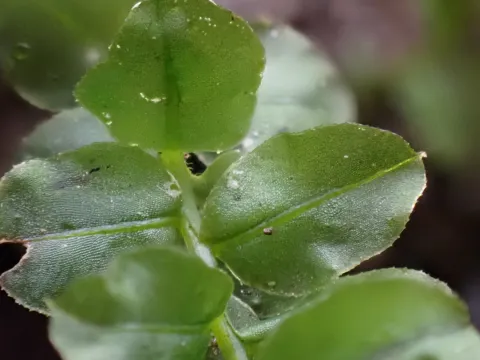
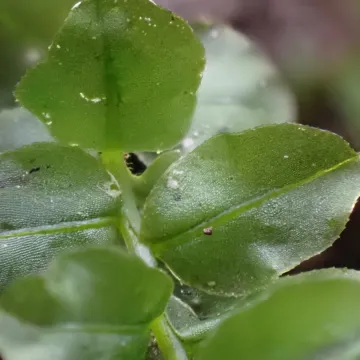
Botanically, this species is defined by its robust, bright green, leafy stems that form dense, lush carpets. The leaves are typically obovate with distinct margins. It utilizes a rhizoid system for anchorage rather than true roots, and it reproduces both through fragmentation and the production of sporophytes on elongated stalks.
To successfully cultivate Plagiomnium affine, one must maintain constant moisture levels and high relative humidity. It thrives in acidic to neutral, organic-rich substrates. In a greenhouse or controlled agricultural environment, it requires filtered light and protection from desiccation, as exposure to direct sunlight or dry air causes rapid browning and tissue death.
The primary economic use of this culture is within the decorative plant market. It provides a naturalistic aesthetic for professional floral designs and terrarium setups. Management is relatively low-maintenance, though growers must guard against fungal outbreaks caused by stagnant air. Keeping the environment well-ventilated and avoiding mineral-rich water is essential for plant health.
Photo gallery