Plagius grandis
Plagius grandis
Description
Plagius grandis is a herbaceous perennial plant belonging to the Asteraceae family. Known for its distinct yellow flower heads, it is a noteworthy species that has historically been grouped with related genera like Pyrethrum, but current botanical classification distinguishes it as a unique member of the Plagius genus, appreciated for its robust growth habit.
The plant is native to the Mediterranean region, particularly prevalent in Portugal and Spain. Its natural habitat consists of open, rocky landscapes and arid meadows. This evolutionary background has equipped the species with remarkable drought resistance, making it highly suitable for gardens in temperate or Mediterranean climates where summer water scarcity is a common challenge for farmers and gardeners.
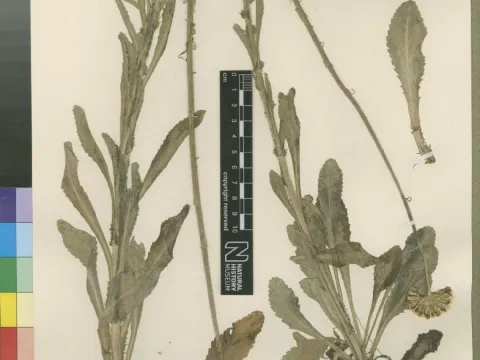
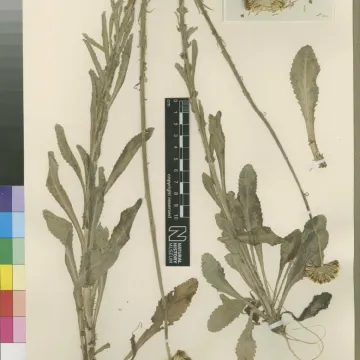
From a botanical perspective, the plant grows as a semi-shrub. Its leaves are pinnately lobed and often possess a fine pubescence, which serves as a protective layer to minimize water loss via transpiration. The inflorescences are typical composite heads (capitula) that appear in abundance during the growing season, providing a vibrant aesthetic and serving as a reliable source of nectar for local pollinators.
Regarding cultivation, Plagius grandis requires a well-draining soil profile. Heavy, waterlogged soils are detrimental to its root system, often leading to fungal decay. The species thrives in neutral to slightly alkaline pH levels and demands full sun exposure to maintain its compact shape and reach its peak flowering potential. During the growing season, light fertilization can be applied, though the plant is generally adapted to nutrient-poor soils.
The primary horticultural use of the species is in landscape design, especially for xeriscaping or rock gardens. It is also an object of interest for researchers studying the secondary metabolites found in its foliage, as many Asteraceae members produce essential oils with potential bio-active properties. Common pests are generally minimal, but aphids may occasionally infest new shoots, requiring standard integrated pest management practices.
- High drought tolerance.
- Preference for well-drained, sunny sites.
- Susceptibility to root rot in poor drainage.
- Low nutritional requirements.
Photo gallery