Planchonella pohlmaniana
Planchonella pohlmaniana
Description
Planchonella pohlmaniana is an evergreen tree species belonging to the Sapotaceae family. Often referred to by foresters as a valuable timber source, it is native to the tropical and subtropical regions of Eastern Australia. The species is characterized by its robust growth habit and its critical role in maintaining the canopy structure of native rainforest ecosystems.
The geographic range of this species is centered primarily in the rainforests of Queensland, where it thrives in environments with high humidity and consistent rainfall. It is perfectly adapted to the stable temperatures of tropical zones and does not possess natural tolerance for freezing conditions. Its distribution is largely dependent on the availability of nutrient-rich soil profiles found in undisturbed forest tracts.
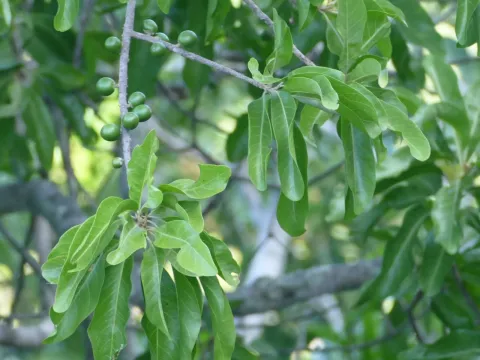
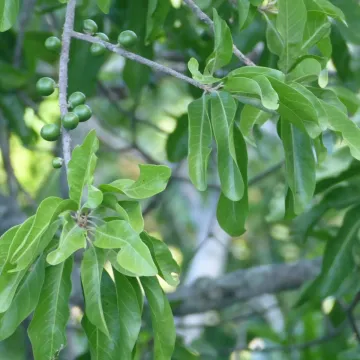
Botanically, the tree features glossy, leathery leaves and produces small, fleshy fruits that provide a vital energy source for various avian and mammalian species. The wood of this tree is highly regarded for its dense grain and structural durability. Due to these physical attributes, it has long been recognized for its potential in specialized wood production and high-end cabinetry.
Silvicultural management requires careful attention to soil composition and moisture levels. The species performs best in deep, well-draining loams that are rich in decomposed organic matter. In nursery settings, seeds require specific treatment to break dormancy. Once established in the field, the trees are relatively self-sufficient, provided that the canopy density is managed to balance sunlight and humidity.
The economic and ecological utility of the species is significant, involving:
- Harvesting of timber for high-strength construction applications.
- Restoration of biodiversity in degraded tropical landscapes.
- Provision of ecological services by supporting local wildlife habitats.
Regarding plant health, the species is susceptible to various fungal pathogens that thrive in humid tropical environments, particularly those affecting the root system. Furthermore, insect pests, such as wood-boring beetles, can pose a risk to the health of mature trees. Effective management involves implementing rigorous phytosanitary measures and ensuring that site drainage prevents the development of stagnant water conditions.
Photo gallery