Kamchatka plantain
Plantago camtschatica
Description
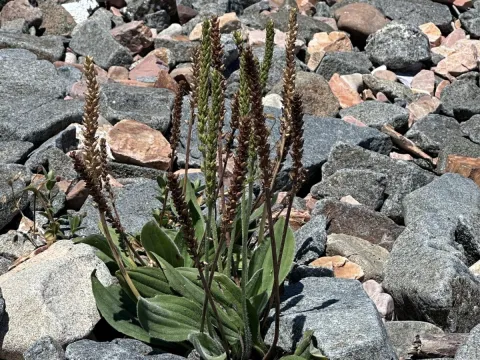
Kamchatka plantain (Plantago camtschatica) is a perennial herbaceous plant belonging to the Plantaginaceae family. It is a distinctive species native to the Far East, adapted to the specific climatic challenges of the region. From an agronomic standpoint, it serves as a valuable resource for both the pharmaceutical industry and as a hardy component of regional forage systems.
The plant originates from the Far East of Russia, including the Kamchatka Peninsula, the Kuril Islands, and Sakhalin, as well as northern parts of Japan. It is typically found in coastal areas, river banks, and meadows characterized by high humidity and temperate summer temperatures. Its natural habitat is often defined by cool, moist conditions with significant influence from maritime air masses.
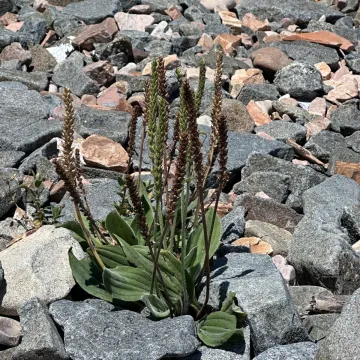
Botanically, the plant develops a basal rosette of leaves and slender flowering spikes that can grow up to 15–30 cm in length. The leaves are typically lanceolate or ovate with strong vein patterns, providing structural support in windy environments. Its fibrous root system is highly efficient at nutrient uptake and soil stabilization, allowing the species to thrive even in rocky or gravelly substrates.
Regarding agrotechnics, Kamchatka plantain thrives in loamy soils that maintain moisture without becoming waterlogged. It is exceptionally cold-hardy, capable of surviving harsh winters with deep snow cover. In cultivation, it requires minimal inputs, but consistent soil moisture is crucial during the active growing phase. The plant is considered a low-maintenance crop suited for regions with short growing seasons.
Agricultural and commercial utilization includes:
- Harvesting as a source of medicinal raw materials for anti-inflammatory drugs.
- Integration into pasturage for livestock due to its nutritional leaf mass.
- Revegetation projects aimed at restoring damaged northern ecosystems.
- Scientific research into its polysaccharide content for pharmaceutical applications.
Disease resistance is generally high, though excessive moisture can trigger fungal infections such as powdery mildew or various forms of leaf spot. Insect pests, such as leaf-eating beetles and aphids, may occasionally affect plant density. Integrated pest management, focusing on site selection and appropriate spacing, is usually sufficient to maintain healthy and productive stands.
Photo gallery