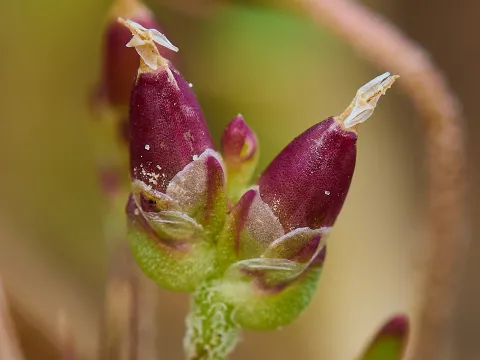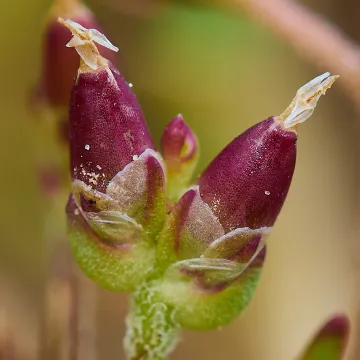

Plantago elongata
Plantago elongata
Description
Plantago elongata, commonly known as slender plantain, is an annual herbaceous plant belonging to the Plantaginaceae family. This species is recognized for its ability to thrive in specialized ecological niches, particularly in environments that are often inhospitable to traditional agricultural crops.
Native to North America, the plant is primarily found in salt marshes, wet meadows, and alkaline flats. Its distribution is heavily linked to specific soil chemical compositions, making it a valuable subject for studying halophytic traits and soil reclamation potential in agricultural science.
The morphology of the plant is defined by its slender, linear leaves and elongated, spike-like inflorescences. The root system is relatively shallow, adapted to moisture-rich soils that may experience periodic fluctuations. These botanical traits allow it to complete its life cycle rapidly before the onset of extreme seasonal conditions.
Agricultural requirements for Plantago elongata focus on soil salinity management and light availability. While not currently cultivated on a commercial scale, its management involves maintaining appropriate moisture levels and minimizing competitive stress from faster-growing weed species during the germination phase.
Potential economic and scientific uses include the exploration of its phytochemical profile and its utility in bio-monitoring saline soil conditions. Like many species in the Plantago genus, it can be susceptible to fungal pathogens like powdery mildew, particularly when grown in high-humidity, enclosed conditions.
- Family: Plantaginaceae
- Native range: North America
- Life cycle: Annual
- Key adaptation: Salt tolerance
Photo gallery