Gentian-leaved plantain
Plantago gentianoides
Description
The gentian-leaved plantain (Plantago gentianoides) is a perennial herbaceous plant belonging to the Plantaginaceae family. It is a specialized species known for its distinct morphological traits and its adaptation to extreme environmental conditions, setting it apart from common wayside plantains.
This species is native to the high-altitude regions of the Caucasus, typically thriving in alpine meadows, rocky screes, and gravelly substrates. Its natural habitat is characterized by harsh climatic conditions, including short growing seasons, low temperatures, and high solar radiation levels.
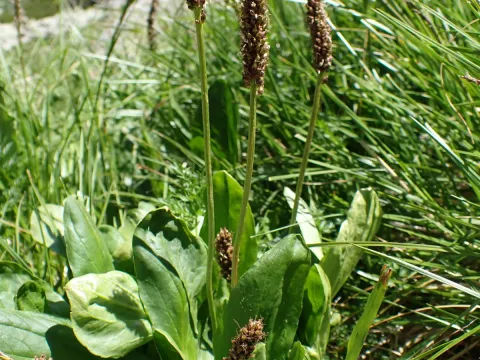
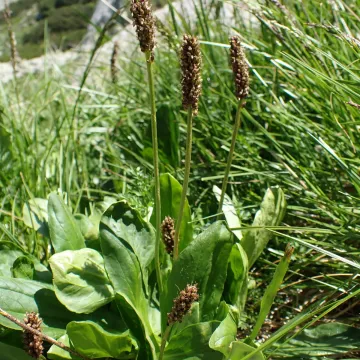
Botanically, the plant develops a basal rosette composed of narrow, lanceolate leaves that resemble the foliage of gentians, from which its specific epithet is derived. Its reproductive strategy involves producing compact spikes on short, sturdy stems, allowing it to efficiently complete its life cycle within a limited timeframe.
Cultivation requirements for this species are specific, focusing on excellent soil drainage and a substrate mimicking alpine soils. It thrives in neutral to slightly acidic, rocky soils with low organic matter content. In terms of maintenance, overwatering and excessive nitrogen fertilization must be avoided to prevent physiological stress.
The economic potential of this culture lies primarily in pharmacological research and specialized botanical nurseries. The plant contains a profile of bioactive compounds typical of the Plantago genus, which are studied for their potential therapeutic applications. Regarding phytosanitary measures, the species is generally resilient, though root rot may occur if the soil structure fails to provide sufficient aeration.
Photo gallery