Plantago holosteum
Plantago holosteum
Description
Plantago holosteum is a perennial herbaceous plant belonging to the Plantaginaceae family. While not a conventional field crop, it is gaining interest in niche agriculture and specialized herbal production due to its unique secondary metabolites and adaptability to harsh environmental conditions.
Originating from the mountainous regions of Southern and Central Europe, this species is naturally adapted to limestone substrates and dry, rocky slopes. Its geographic distribution highlights its resilience, as it thrives in alpine environments where temperature fluctuations are extreme and soil nutrition is minimal.
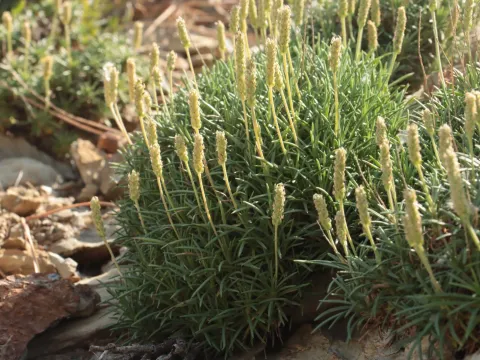
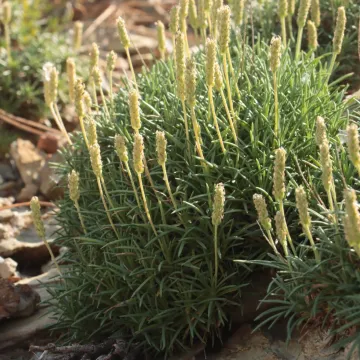
The botanical structure consists of a basal rosette of narrow, leathery leaves that resemble grasses, from which arise dense, cylindrical spikes during the flowering season. This architectural feature minimizes water loss, making the plant exceptionally efficient at carbon fixation during dry summer months.
Agronomic requirements emphasize the necessity for well-drained soils, preferably with a neutral to alkaline pH. Irrigation should be restricted, as this crop is highly susceptible to root rots caused by waterlogging. Minimal fertilizer application is recommended, as organic matter richness can lead to excessive growth at the expense of medicinal quality.
Host plant utilization includes both pharmacological raw material extraction and ornamental rock garden applications. Typical pests such as aphids and slugs may occasionally affect the foliage, while fungal pathogens are the primary concern in poorly drained soils, necessitating rigorous water management protocols.
Photo gallery