Plantago leiopetala
Plantago leiopetala
Description
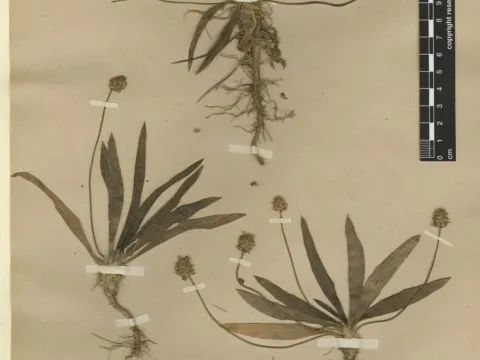
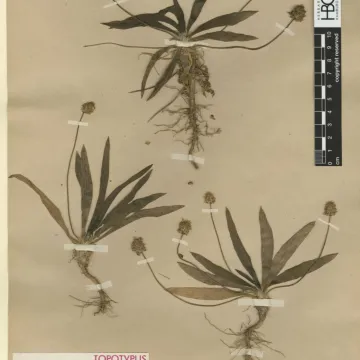
Plantago leiopetala is a perennial herbaceous plant species belonging to the Plantaginaceae family. This species is primarily recognized for its status as an endemic plant, with its native range strictly limited to specific islands within the Canary archipelago, where it thrives in diverse microclimates ranging from coastal areas to mountain slopes.
Botanically, the species is defined by its basal leaf rosette and the unique, smooth texture of its petals, which sets it apart from more common species like Plantago major. The plant is adapted to survive in environments with high solar radiation and periodic water scarcity, developing robust root systems to extract moisture from rocky and volcanic soil types.
Agricultural requirements for Plantago leiopetala emphasize the need for well-draining substrates. The plant is highly sensitive to waterlogging, which can cause rapid crown rot. It prefers open, sunny locations that allow for maximum photosynthesis. In a controlled cultivation setting, providing a growth medium that mimics the gritty, nutrient-light soils of its natural habitat is crucial for success.
The economic and medicinal utility of this plant is significant within the field of natural products. It contains a complex profile of mucilage, tannins, and iridoid glycosides, which are highly valued for their bioactive properties. Traditionally, such extracts have been used to create specialized dermatological products and soothing herbal preparations for inflammation control.
Key agrotechnical practices for successful yield include:
- Selection of sites with excellent natural drainage.
- Strict irrigation control, favoring a "soak and dry" approach.
- Use of mineral-rich soil additives to improve plant vigor.
- Strategic harvesting timing to ensure maximum concentration of secondary metabolites.
Common plant health issues include fungal pathogens that exploit high humidity to infect the foliage and collar of the plant. Insects such as aphids and spider mites are typical pests that can weaken the plant's health. Integrated pest management, avoiding broad-spectrum synthetic pesticides, is recommended to preserve the pharmacological quality of the herbal material.
Photo gallery