Snow plantain
Plantago nivalis
Description
Snow plantain (Plantago nivalis) is a specialized perennial herb belonging to the Plantaginaceae family. It is a highly adapted species that thrives in the harsh, unpredictable climates of high-altitude alpine regions, primarily recognized as an endemic plant of the Sierra Nevada mountains in Spain.
The origin and natural habitat of this species are tied to rocky, windswept slopes and alpine meadows. Because of these demanding conditions, the plant has evolved to occupy a specific niche where it can endure intense solar radiation, temperature fluctuations, and periodic drought within its short growing season.
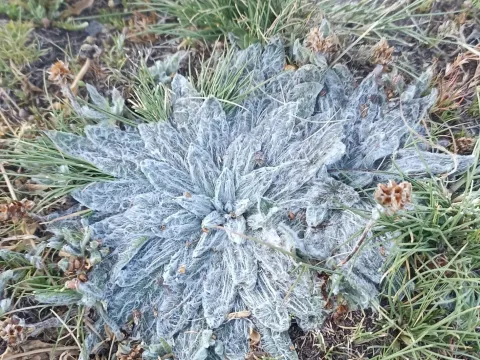
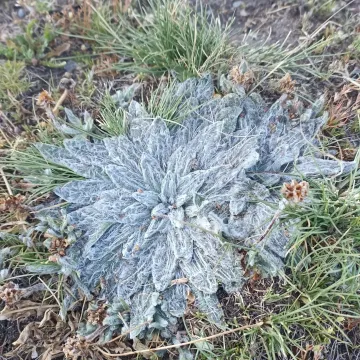
Botanically, it is characterized by a compact rosette of leaves. The most striking feature of the Snow plantain is its dense, silvery-white pubescence (hairs). This adaptation serves as a thermal insulator and a reflective layer, protecting the plant from excessive UV radiation and reducing water loss through transpiration.
In terms of agricultural and horticultural requirements, the species demands extremely well-drained, nutrient-poor soil. It is intolerant of waterlogging and typically thrives in substrate conditions that mimic its native rocky environment. Irrigation must be managed carefully to ensure the roots do not suffer from rot.
The economic and research value of Plantago nivalis lies in its genetic potential for stress tolerance. While not cultivated as a mass crop, it is a significant subject for botanical study, landscape restoration in alpine zones, and conservation biology programs aimed at protecting fragile mountain ecosystems.
- Family: Plantaginaceae
- Form: Herbaceous perennial
- Special trait: Silvery-white pubescence
- Climate niche: High-altitude alpine
- Soil preference: Gravelly, well-drained
Photo gallery