Schwarzenberg's plantain
Plantago schwarzenbergiana
Description
Schwarzenberg's plantain (Plantago schwarzenbergiana) is a unique perennial herbaceous plant belonging to the Plantaginaceae family. Unlike common plantain species that are often treated as weeds, this species is recognized for its specialized adaptation to saline environments and its status as a distinct biological entity within its native ecosystems.
The plant originates from the Pannonian Basin, primarily inhabiting steppe regions characterized by high soil salinity. Its geographical distribution is limited, making it a subject of interest for both botanical preservation and agricultural research focused on crops capable of thriving in marginal, high-salt land conditions.
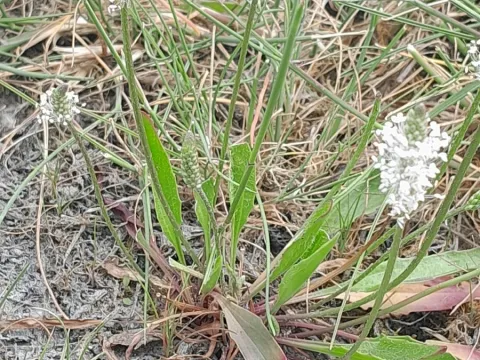
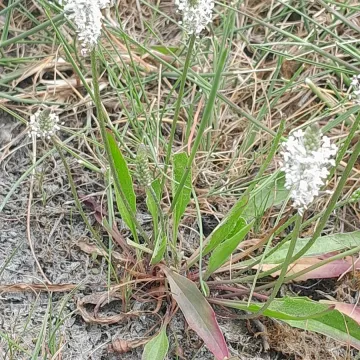
Botanically, the plant is identified by its basal rosette of lanceolate leaves and tall, slender spikes carrying dense floral clusters. It possesses a highly developed root system capable of penetrating deep into soil horizons, which provides the plant with stability and access to deep-seated mineral resources in saline soil profiles.
Agricultural requirements include ensuring a high level of solar exposure and minimal competition from aggressive weeds. The crop thrives in alkaline, saline-rich soils where nitrogen requirements are moderate. During cultivation, it is essential to manage soil aeration, as the plant prefers structure that allows for moisture regulation without waterlogging.
Economic application primarily focuses on the production of herbal extracts for the pharmaceutical industry, given the plant's unique chemical profile. Furthermore, its ability to act as a bio-accumulator in saline-affected soils presents a significant potential for land reclamation projects aimed at restoring productivity to degraded agricultural areas.
Common issues affecting this culture include sensitivity to moisture-related fungal diseases and a specific range of pests. Farmers should monitor for:
- leaf miners;
- aphids;
- root-knot nematodes;
- various species of beetles.
Photo gallery