Shrubby plantain
Plantago sempervirens
Description
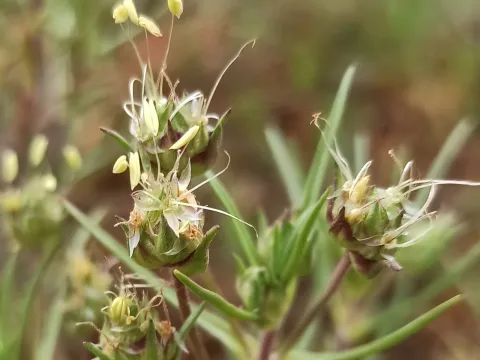
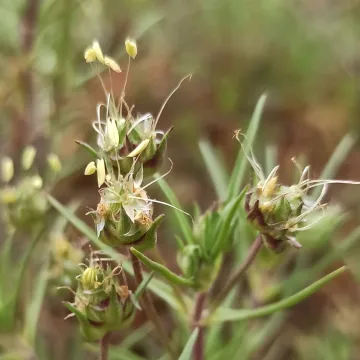
Shrubby plantain (Plantago sempervirens) is a perennial herbaceous plant belonging to the Plantaginaceae family. Unlike common plantain species, this specific type grows into a small, woody-based subshrub, providing distinct advantages for both medicinal cultivation and ornamental use.
This species is native to the Mediterranean region, where it thrives in rocky, well-drained, and often calcareous soils. Its natural habitat is characterized by high levels of sunlight and seasonal drought, which has equipped the plant with high environmental plasticity and resistance to harsh weather conditions.
Botanically, it is distinguished by its upright stems that become woody at the base and narrow, linear leaves. During the blooming season, the plant produces dense, spike-like inflorescences. The root system is deep and penetrating, which helps the plant survive in nutrient-poor environments while maintaining structural integrity.
From an agronomical perspective, successful cultivation depends on providing excellent drainage. Soils should be sandy or stony to prevent waterlogging, which is the primary cause of root rot. It requires full sun exposure to flourish and maintain its shape; in shaded areas, the plant tends to become leggy and less resilient to diseases.
The main commercial use of Shrubby plantain is as a source of phytochemicals for pharmaceutical applications. Crop management involves periodic weed control and thinning. While it is generally pest-resistant, growers should monitor for aphids during hot periods and ensure that drainage channels remain clear to avoid fungal infections.
- Excellent drought tolerance
- Woody-based perennial structure
- Requires full sun and well-drained soil
- Low fertilization requirements
Photo gallery