Serrated plantain
Plantago serraria
Description
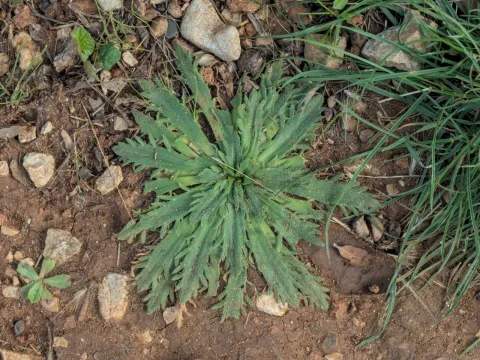
Serrated plantain (lat. Plantago serraria) is a perennial herbaceous plant belonging to the Plantaginaceae family. It is easily distinguished from other species of the genus by its distinctively serrated or saw-toothed leaf margins, which provide a unique botanical profile in agricultural cultivation.
The origin of this species is rooted in the Mediterranean basin. Its natural habitat includes coastal areas, meadows, and stony soils where it has adapted to varying degrees of salinity and moisture levels. The plant's distribution reflects its resilience in warm, temperate climate zones.
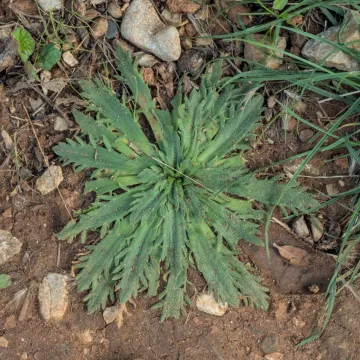
Botanically, it forms a dense basal rosette with elongated, lance-shaped leaves. The root system is deep and well-developed, ensuring survival during dry spells. During the reproductive phase, the plant produces slender, upright spikes densely packed with tiny flowers, typical for the family, eventually yielding small seeds.
Regarding agrotechnology, the serrated plantain requires well-drained, sandy-loam soils for optimal biomass production. While it can withstand moderate soil salinity, it thrives best when provided with full sun exposure and consistent moisture levels during the early stages of growth. Proper spacing is essential to prevent overcrowding and ensure adequate airflow.
In terms of agricultural and pharmaceutical use, the plant is valued for its bioactive compounds, which are extracted for use in herbal medicine and dermatological products. Producers must be vigilant against common issues such as powdery mildew in humid conditions and various lepidopteran larvae that target the foliage. Integrated pest management strategies are generally recommended to maintain high crop yields.
Photo gallery