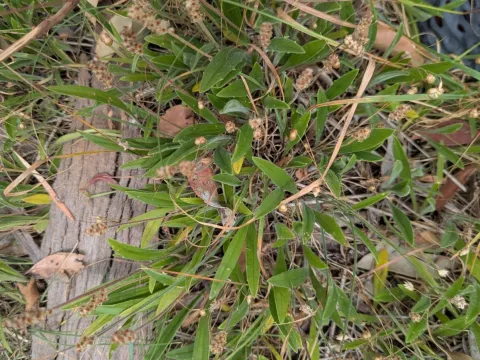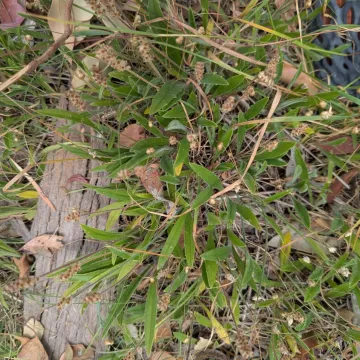
Variable plantain
Plantago varia
Description
Variable plantain (lat. Plantago varia) is a perennial herbaceous plant belonging to the Plantaginaceae family. While many plantain species are treated as weeds, this specific species is recognized for its ecological importance and potential as a productive forage component in arid and semi-arid environments.
The native range of Plantago varia is Australia. It has evolved to thrive in diverse environments, demonstrating high resilience to extreme temperatures and varying levels of soil moisture. This adaptability makes it a valuable candidate for rehabilitation projects where soil stability is a priority.
Botanically, the plant is characterized by a basal rosette of leaves and spike-like inflorescences produced on upright stems. The root system is robust, providing the plant with the ability to survive prolonged dry spells by accessing moisture trapped deeper within the soil profile.
Agronomic requirements for successful growth include well-drained soil and exposure to sunlight. The species is highly tolerant of saline conditions, which is an advantage in degraded agricultural areas. Management practices should focus on maintaining a balanced grazing pressure to allow the plant to complete its reproductive cycle effectively.
Economic and agricultural utility includes:
- Utilization as a high-quality forage plant for livestock in rangeland systems.
- Use in soil conservation efforts to mitigate erosion risks in Australia and similar climates.
- Research potential for pharmaceutical compounds similar to other species of the Plantago genus.
Photo gallery