Platymiscium pinnatum
Platymiscium pinnatum (Jacq.) Dugand
Description
Platymiscium pinnatum is a tropical tree species belonging to the Fabaceae family, highly valued for its durable and aesthetically pleasing hardwood. Known in the timber trade by various names including 'macacawood', this species serves as a significant resource in tropical forestry. Its biological structure allows for considerable height and diameter growth, making it a viable candidate for sustainable forest plantation systems.
The tree is native to Central and South America, with its range extending from Mexico through various Caribbean nations to Colombia and Venezuela. Its natural habitats include a range of tropical rainforest environments, as well as transitional forests. In an agricultural context, it is often cultivated for reforestation efforts and the commercial production of high-grade timber.
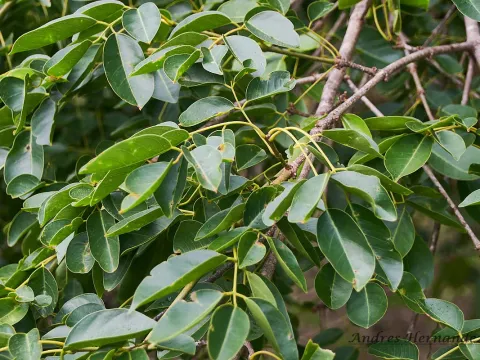
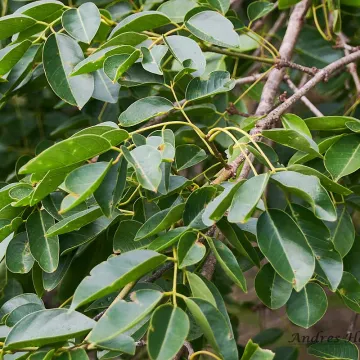
Botanically, the species is characterized by its pinnate leaves and racemose inflorescences containing numerous small, fragrant flowers. The fruit is a flat, indehiscent pod typical of the legume family. The root system is deep and expansive, providing excellent stability and the capacity to extract nutrients efficiently from lower soil horizons in native forest soils.
Agronomic requirements for Platymiscium pinnatum emphasize the need for deep, well-drained soils and warm, frost-free climates. During the establishment phase, the trees require protection from direct wind and adequate light to encourage upward growth rather than excessive branching. Proper spacing is essential in plantations to minimize competition for light and water while maximizing the quality of the timber produced.
- Requires consistent annual rainfall or irrigation during early development.
- Thrives in tropical temperatures between 22°C and 30°C.
- Sensitive to waterlogged conditions that can cause root decay.
The primary use of the wood is in high-end furniture, fine cabinetry, and high-quality musical instruments due to its dense texture and rich coloration. Potential pests and diseases include various leaf-spot fungi and stem-boring insects, particularly in monoculture plantations. Effective management involves monitoring for these pathogens and maintaining high ecological diversity within the plantation area to mitigate outbreaks.
Photo gallery