Plazia daphnoides
Plazia daphnoides
Description
Plazia daphnoides is a perennial shrubby plant belonging to the Asteraceae family. As a specialized agricultural crop, it is recognized for its distinctive physiological adaptations that allow it to thrive in challenging environments. Researchers study this species primarily for its unique biochemical profile and potential for specialized crop production.
The plant originates from South American regions, specifically adapting to the unique microclimates of mountainous terrain. Its natural distribution is characterized by high exposure to sunlight and well-drained substrate conditions. Understanding these origins is critical for successful agricultural adaptation and for creating appropriate field conditions for its cultivation outside its native range.
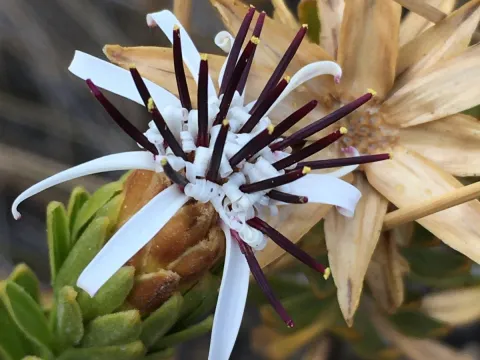
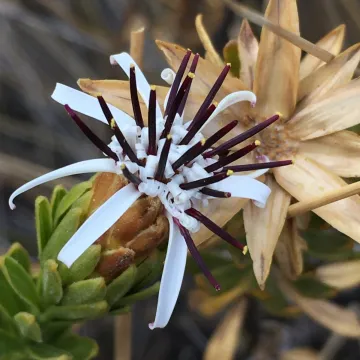
Botanically, Plazia daphnoides features dense, resilient foliage that gives the plant a robust appearance, earning it the species name related to Daphne. The root system is deep and expansive, designed to anchor the plant in rocky or unstable soil types. The flowering process results in specialized capitula, typical of the Asteraceae family, which show potential for seed viability and selection improvement.
Agronomically, this crop demands specific attention to soil aeration and moisture regulation. It requires sandy or loamy soils with excellent drainage to prevent root diseases. Successful cultivation involves monitoring nutrient levels, particularly during the primary growth stages, and ensuring the plant receives adequate exposure to natural light to promote structural integrity and healthy biomass accumulation.
The economic utility of the plant is largely centered on its secondary metabolites, which are of high value in the pharmaceutical and cosmetic industries. Furthermore, its ability to grow in low-fertility soils makes it a candidate for soil stabilization projects. Efforts are ongoing to optimize harvesting techniques to maintain the purity and concentration of the desired active compounds found in its tissues.
- Excellent drought tolerance.
- High sensitivity to waterlogged soil.
- Requires full sun exposure for optimal growth.
Photo gallery