False Aralia
Plerandra elegantissima
Description
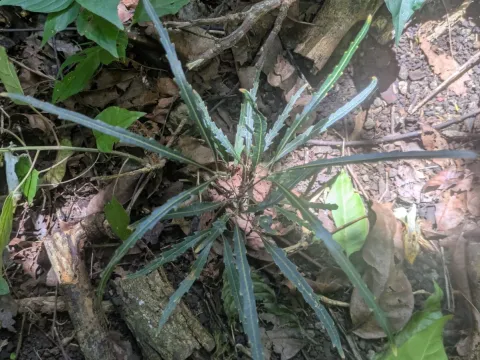
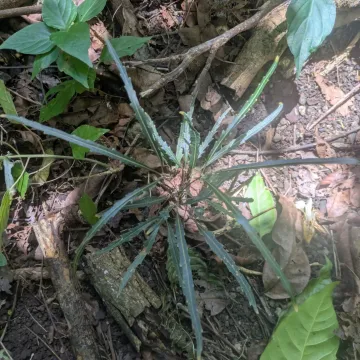
Plerandra elegantissima, commonly known as the False Aralia, is a sophisticated ornamental plant belonging to the Araliaceae family. It is widely recognized for its delicate, deeply serrated leaflets that radiate from a central point, creating a refined and airy texture that distinguishes it from other common indoor foliage plants.
Originating from the tropical rainforests of New Caledonia, the species thrives in humid and shaded conditions. In agricultural and horticultural contexts, it is primarily cultivated as a decorative shrub for indoor spaces and greenhouses. Its natural habitat dictates its strict requirements for high humidity and protection from extreme climatic fluctuations during its development.
Botanically, Plerandra elegantissima is noted for its slow growth and distinct leaf transformation. Younger plants feature bronze or dark purplish-red foliage, which slowly matures into a deep, glossy dark green. The stem is slender, and the overall habit is vertical, making it an excellent candidate for decorative arrangements where space management is a primary objective.
The agronomy of this species requires careful environmental management. It prefers indirect, bright lighting, as direct sunlight can scorched the delicate foliage. Soil media must be well-drained and slightly acidic, enriched with organic matter to sustain healthy development. Consistent moisture levels are vital; both waterlogging and prolonged drought stress are detrimental to the root system and plant vigor.
Maintaining the health of the culture requires monitoring for specific plant pests and potential environmental stress factors. Common issues include:
- Spider mites, which thrive in low-humidity environments.
- Mealybugs, often congregating in leaf axils.
- Scale insects, which can weaken the plant by feeding on phloem sap.
- Root rot, usually triggered by improper substrate drainage or excessive watering.
Photo gallery