Pleuridium subulatum
Pleuridium subulatum
Description
Pleuridium subulatum is a diminutive acrocarpous moss belonging to the Ditrichaceae family. While not an agricultural crop in the traditional sense, this species plays a foundational role in many ecosystems, particularly in soil stabilization and as a primary colonizer on disturbed land sites.
The distribution of this species spans temperate regions across the Northern Hemisphere, including Europe and North America. It is commonly found in habitats such as fallow fields, pastures, and along woodland edges, favoring moist, exposed soil surfaces where competition from vascular plants is significantly restricted.
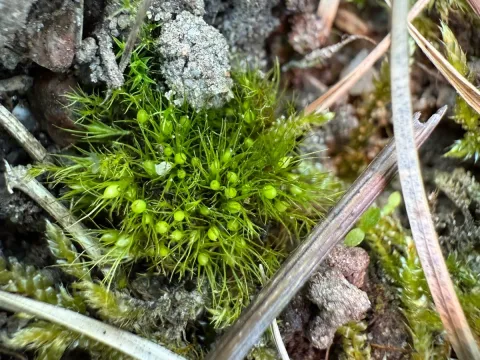
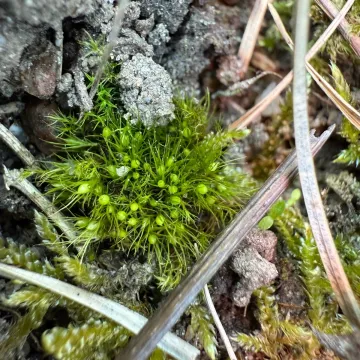
Botanically, Pleuridium subulatum is characterized by its small, dense tufts and subulate (awl-shaped) leaves. The reproductive cycle is marked by the development of capsules that remain largely immersed within the perichaetial leaves, a distinct trait that facilitates successful spore dispersal in low-stature vegetation zones.
Regarding cultivation requirements, the moss thrives in conditions of consistent soil moisture and partial sunlight. In an agronomic context, it is not subject to formal cultivation practices, but its presence is often observed as a natural indicator of soil moisture retention and the stability of the topsoil layer on lands that have been temporarily set aside.
From a phytosanitary perspective, this moss is not prone to agricultural diseases or pests that typically plague crops. It is highly sensitive to broad-spectrum herbicides and intensive fertilization programs. Therefore, its presence in managed fields is often limited, as modern chemical-based land management practices generally suppress the growth of such bryophyte populations.
Photo gallery