Pleurochaete squarrosa
Pleurochaete squarrosa
Description
Pleurochaete squarrosa is a species of moss belonging to the family Pottiaceae. While not classified as a commercial agricultural crop, it plays a vital role as a biological indicator in specialized environmental studies. This moss is recognized for its durability and ability to thrive in harsh, nutrient-poor conditions where other vegetation struggles to survive.
The plant has a broad distribution across temperate and Mediterranean climates. It is typically found in open, sunny locations, favoring calcareous outcrops, dry slopes, and thin, stony soils. Because of its preference for limestone-rich environments, it serves as a reliable marker for basic or neutral soil pH levels in botanical surveys.
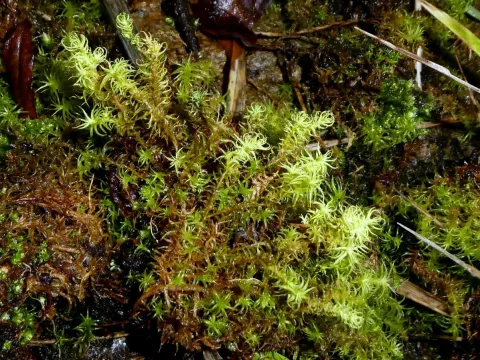
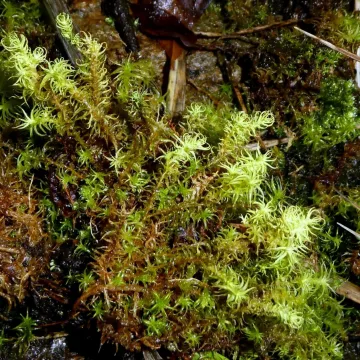
Botanically, Pleurochaete squarrosa forms dense, yellow-green mats. Its most distinct feature is its leaves, which are linear-lanceolate and become noticeably squarrose (bent back) when dry. This structural adaptation is a defensive mechanism against desiccation, allowing the plant to enter a dormant state during prolonged dry spells and recover rapidly when moisture becomes available.
Regarding its ecological management, the moss requires very little intervention. It does not require fertilization, tilling, or chemical pest control. In controlled environmental settings, such as xeriscaping or rock gardens, it demands a well-draining substrate and high solar exposure to maintain its health. It is highly resistant to extreme temperature fluctuations.
Hostile pathogens and pests common in industrial farming have no significant impact on this species, as it occupies a different ecological niche. Its primary utility lies in scientific research regarding biodiversity, soil stabilization in arid regions, and its use in specialized horticultural projects that prioritize low-maintenance, drought-tolerant plant communities.
Photo gallery