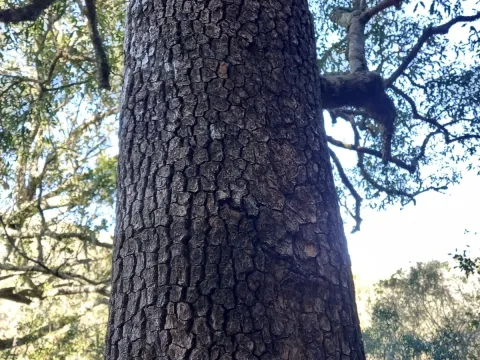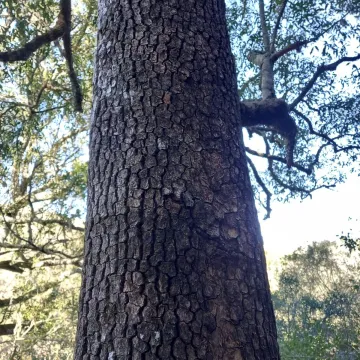

Pleurostylia capensis
Pleurostylia capensis
Description
Pleurostylia capensis, commonly known as the African coffee pear, is an evergreen tree or large shrub belonging to the Celastraceae family. It is a slow-growing species known for its hard, dense wood and significant ornamental value in landscapes within its native range.
The species is indigenous to Southern and Eastern Africa, commonly found in a variety of habitats ranging from evergreen forests and mountain slopes to wooded grasslands. Its ability to adapt to diverse soil conditions, from coastal sands to rich forest loams, makes it a resilient component of its native ecosystem.
Botanically, Pleurostylia capensis is characterized by its simple, opposite, leathery leaves and inconspicuous flowers. The fruits are small, drupe-like structures that mature to a pale or yellowish hue. Its wood, often sought after for its fine grain and density, has been used historically for small-scale carpentry and crafting purposes.
In terms of cultivation, this species thrives in well-drained, nutrient-rich soils. It requires full to partial sun exposure for optimal development. Agronomic management involves consistent irrigation during the establishment phase and protection from severe frost, as the tree is primarily adapted to subtropical and temperate maritime climates.
The main areas of utilization for this tree include:
- Use in sustainable reforestation and forest enrichment programs.
- Ornamental planting for gardens and parks in compatible climate zones.
- Production of fine timber for specialized woodworking and carving.
- Provision of a vital food source for avian species that rely on its small fruits.
The plant is generally resistant to major pests, but like many members of the Celastraceae family, it can be susceptible to scale insects and occasional fungal issues in poorly aerated or waterlogged sites. Proper garden hygiene, sufficient spacing, and monitoring of tree health are standard practices to ensure the long-term success of the cultivation.
Photo gallery