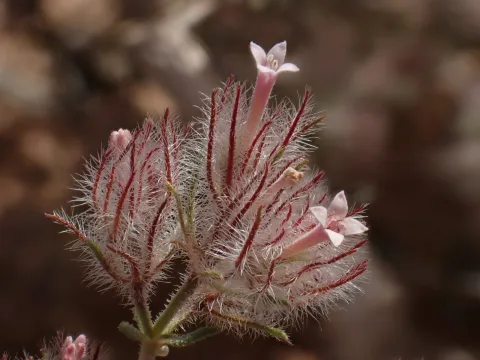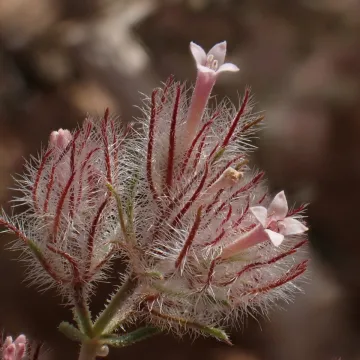
Plocama reboudiana
Plocama reboudiana
Description
Plocama reboudiana is a perennial plant belonging to the Rubiaceae family. This species is highly specialized for survival in extreme arid environments, acting as a crucial element in the vegetation of harsh desert landscapes where typical agricultural crops fail to germinate.
The native range of this plant is centered in the arid regions of North Africa. It has evolved to thrive in rocky, nutrient-poor substrates and regions characterized by intense solar radiation and minimal annual precipitation, making it a subject of interest for desert reclamation projects.
Botanically, it is classified as a low-growing shrub with a complex, dense branching pattern. The plant exhibits significant xerophytic adaptations, including reduced leaf surface area to minimize transpiration and an extensive, deep-reaching root system designed to tap into scarce groundwater reserves.
Agronomic requirements are focused on mimicking its natural habitat. It prefers sandy or gravely, well-draining soils with full exposure to sunlight. Proper site selection is vital, as the plant is highly susceptible to root decay if drainage is inadequate, requiring careful management of water input.
The primary economic use of Plocama reboudiana is soil stabilization and erosion control. Its role in combating desertification is significant, as it provides ground cover in areas where other plants cannot persist. Maintenance involves monitoring for common pests and preventing fungal infections that may occur if the surrounding microclimate becomes excessively humid.
Photo gallery